Stress rarely arrives like thunder. It leaks into your day through your jaw, your shoulders, your patience, and the ugly little habit of snapping at people who did nothing wrong. That is why learning how to reduce daily stress naturally matters so much. You do not need a dramatic life makeover to feel better. You need repeatable habits that bring your body back from the edge before tension starts running the show.
I learned this the hard way during stretches of overwork when even tiny problems felt personal. A slow Wi-Fi connection could ruin my mood. One unanswered text could sit in my head for hours. The fix was not some perfect morning routine from the internet. It was a set of boring, honest practices that worked because I could actually keep doing them.
Natural stress relief is not soft or silly. It is practical. When you walk more, sleep better, eat on time, and stop letting every notification boss you around, your mind gets less dramatic.
For a solid outside reference, the American Psychological Association’s guidance on stress explains why daily habits matter more than people often admit. And yes, they matter even when life stays busy.
You will also get more out of this guide if you pair it with related reads like Essential Sleep Habits for Better Mood Support and Effective Mindfulness Habits for Better Mental Health.
Why your body needs a calmer starting point
Your body keeps score long before your mind catches up. You may tell yourself you are fine, but your clenched teeth, shallow breathing, and tired eyes usually know better. Stress often starts as a physical state first, then turns into mental noise after.
Breathing sounds almost too simple, which is exactly why people dismiss it. Bad move. When you slow your exhale, your body gets a direct signal that the threat level has dropped. Not magic. Just wiring. Try five slow breaths before opening email, before answering a tense message, or before walking into a loud room.
Morning light also does more work than people think. Step outside for ten minutes after waking up, even if you are not in the mood. That one move helps your sleep rhythm later, and better sleep makes you less fragile the next day. Tiny cause. Real effect.
A friend of mine started doing two things before 9 a.m.—water and sunlight. No expensive products, no dramatic self-help speech. Within two weeks, she stopped feeling like every morning was a firefight. Calm starts in the body first. Your thoughts usually follow.
How movement burns off the stress you carry
Stress that stays in your body does not disappear because you ignored it. It waits. Then it turns into restlessness, doom-scrolling, headaches, or that weird evening irritability that makes a harmless question sound offensive. Movement gives that tension somewhere to go.
You do not need a perfect workout plan. You need motion that you will actually repeat. A brisk walk counts. Ten minutes of stretching counts. Dancing badly in your kitchen counts more than the expensive treadmill now holding your laundry. The goal is not athletic glory. It is nervous system cleanup.
I have noticed that stress hates rhythm. Walking with a steady pace, lifting with controlled reps, or even sweeping the floor with some energy can break the static feeling in your head. One of the most underrated ways to lower stress is doing something physical that has a beginning, middle, and end.
This is also where natural stress relief beats fantasy. People wait for an hour-long wellness ritual, then do nothing because life is messy. Meanwhile, a fifteen-minute walk after lunch can pull you out of a mental spiral before it grows teeth. Your body does not care whether the movement looked impressive. It cares that you moved.
Why small boundaries protect your nervous system
A lot of stress is not caused by tragedy. It is caused by access. Too many messages, too many opinions, too many little demands slipping through the cracks of your day until your mind feels like a house with no doors. Boundaries are not rude. They are maintenance.
Start with your phone. Do not let it greet you before your own thoughts do. If the first thing you touch each morning is a glowing brick full of alerts, you are handing your nervous system to strangers before breakfast. Delay that habit by even twenty minutes and notice the difference.
Next, shrink the number of decisions you make when you are already tired. Pick tomorrow’s clothes tonight. Set one meal in advance. Keep a short list for the top three tasks that actually matter. Stress grows fast in clutter, and decision clutter is still clutter.
I once knew someone who thought they had an anxiety problem when they mostly had a notification problem. After muting nonessential apps and stopping late-night work replies, they became noticeably calmer in one week. That is the part people miss. Sometimes your stress is not mysterious. It is overexposure dressed up as responsibility.
How food and drink quietly shape your mood
Your mood is not just emotional. It is chemical, physical, and deeply tied to what you keep throwing at your body every day. Skip meals, live on caffeine, forget water, then wonder why your patience is terrible by 4 p.m. That pattern is common. It is also fixable.
A steady meal rhythm helps more than trendy food rules. When you eat enough protein, some fiber, and real food at regular times, your body stops treating the afternoon like a survival drill. You think more clearly. You react less wildly. You stop mistaking physical depletion for emotional collapse.
Caffeine deserves honesty here. It is useful, but it lies. One coffee can help. Three coffees and no lunch can make your heart act like it got bad news. If you feel wired, impatient, or weirdly shaky, the answer may not be “I’m stressed.” It may be “I turned my bloodstream into a panic rehearsal.”
Water matters too, boring as that sounds. A colleague once told me they felt “mysteriously off” every afternoon. The mystery ended when they started eating lunch and drinking water before their second coffee. Their focus improved, and so did their temper. Good habits are not glamorous. They are just effective.
Why calm routines beat emergency fixes
The best way to handle stress is to stop treating calm like an emergency product you only use after the damage is done. Most people wait until they are overwhelmed, then scramble for relief. That is like buying an umbrella after you are soaked.
A good evening routine is one of the strongest ways to reduce daily stress naturally because it shortens the gap between pressure and recovery. Dim the lights. Lower the noise. Put your phone down earlier than you want to. Read something that does not raise your blood pressure. Boring? Maybe. Helpful? Very.
This is where consistency wins over intensity. A dramatic reset weekend feels nice, but it will not save a weekday life built on chaos. What works is a calm pattern you can repeat when you are tired, busy, or annoyed. That means making the habit easy enough to survive real life.
The truth is simple. You do not build peace by chasing it once a month. You build it in ordinary hours. Five quieter minutes before bed. A walk after work. Less caffeine. Fewer notifications. More honest limits. The routine does not need to look impressive. It needs to hold when your day does not.
Stress keeps stealing from people because they treat it like weather instead of a pattern. But patterns can be changed. That is the hopeful part. You are not stuck with the version of daily life that leaves you tense, reactive, and half-drained by noon. You can change the inputs and change the result.
The smartest move is not hunting for one perfect fix. It is building a short list of habits that work together. Sleep supports patience. Food supports focus. Movement burns tension. Boundaries protect attention. Calm routines keep the whole thing from falling apart. None of this is flashy. That is why it lasts.
If you want to reduce daily stress naturally, stop waiting to feel motivated first. Motivation is unreliable and a little dramatic. Build the habit before the mood shows up. Start with one change today, not six. Take the walk. Delay the notifications. Eat lunch like your mood depends on it, because it often does.
Then keep going. Track what helps, cut what keeps frying your nerves, and treat peace like a skill instead of a reward. Your next step is simple: pick one habit from this page and do it for seven straight days. Not perfectly. Just honestly.
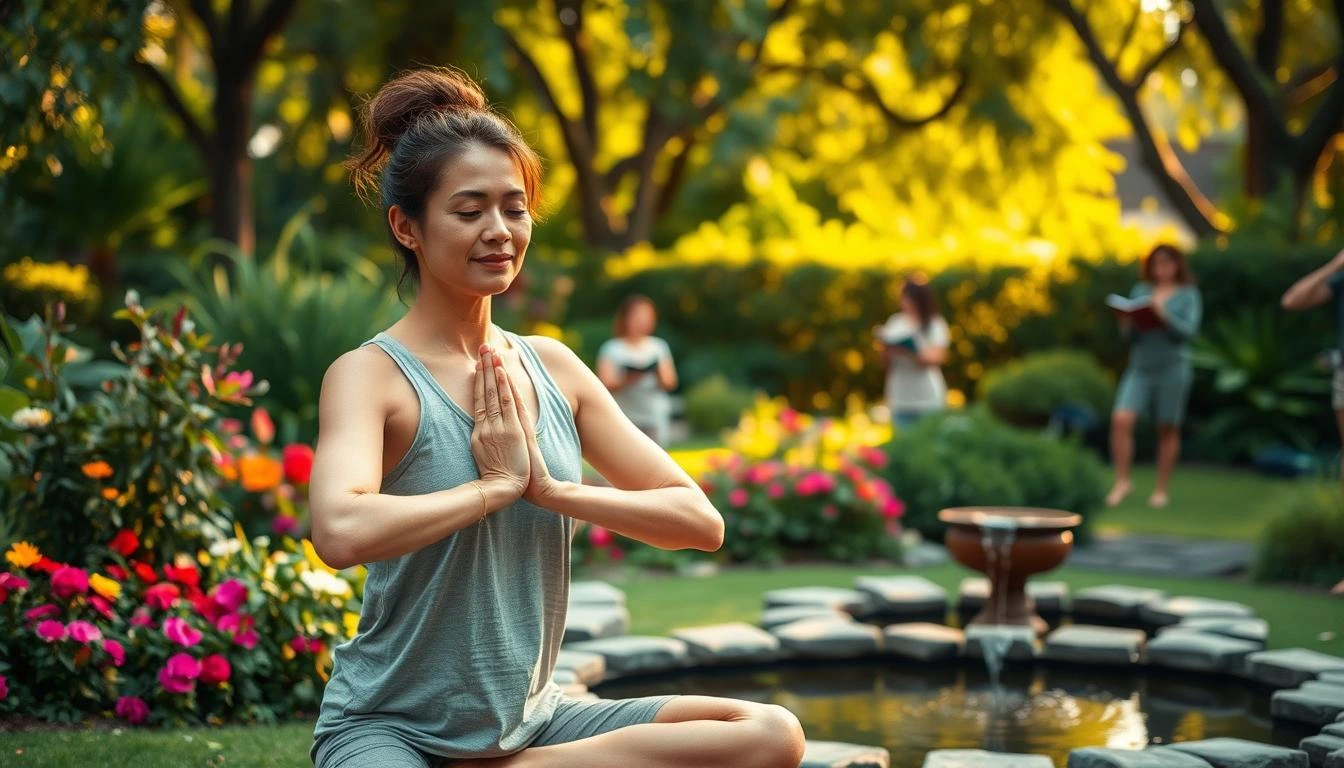
Suggested image alt text: person practicing calm breathing to reduce daily stress naturally
FAQs
What is the fastest natural way to calm stress during the day?
The fastest natural reset is slowing your breathing and lengthening your exhale for one minute. It sounds small, but your body responds quickly when you signal safety on purpose.
How can I reduce daily stress naturally without medication?
You can lower stress without medication by improving sleep, moving your body, eating on time, cutting notification overload, and creating short routines that calm your system before tension builds.
Does walking really help with everyday stress?
Walking helps more than people expect because it lowers physical tension, interrupts overthinking, and gives your mind a steady rhythm. Even fifteen minutes can change the tone of a rough day.
What foods help lower stress levels naturally?
Foods that keep blood sugar steady tend to help most, especially meals with protein, fiber, and real ingredients. The bigger win is regular eating, not chasing one miracle food.
Why do I feel more stressed after too much coffee?
Too much coffee can raise your heart rate, make you jittery, and mimic the physical feeling of anxiety. That can turn normal stress into something louder and harder to manage.
Can sleep habits make daily stress worse?
Yes, bad sleep makes you more reactive, less patient, and easier to overwhelm. Poor rest shrinks your margin, so small problems start feeling bigger than they really are.
How do phone notifications affect stress levels?
Notifications keep your brain on alert and train you to expect interruption. That constant low-level tension drains focus and makes it harder to settle, even when nothing serious is happening.
What is a simple evening routine for less stress?
A simple evening routine can be dim lights, put your phone away, drink water, stretch for five minutes, and read a few pages of something calming before sleep.
Is stress relief possible if I have a busy schedule?
Yes, but you need small actions instead of fantasy routines. Busy people often do better with short walks, breathing breaks, meal timing, and stronger boundaries than elaborate wellness plans.
How long does it take for natural stress habits to work?
Some habits, like breathing or walking, can help the same day. Others, like better sleep and steadier meals, usually show clearer results after a week or two of consistency.
What are the best morning habits for a calmer day?
The best morning habits are simple: get daylight, drink water, avoid checking your phone right away, and give yourself a few quiet minutes before the demands start piling up.
Why do small lifestyle changes reduce stress better than big resets?
Small changes work better because you can keep doing them when life gets messy. Big resets feel exciting, but daily stress usually improves through repetition, not dramatic effort.