
Most people do not lose their calm in one dramatic explosion. They leak it. A rushed morning, a buzzing phone, one annoying message, another small delay, and suddenly the day feels louder than it should. That is why Practical Ways to Improve Calm and Balance matter more than big inspirational speeches. You do not need a new personality. You need better habits that stop your mind from living like an open browser with thirty tabs screaming for attention.
I learned this the hard way. Calm is not something you wait to feel after life gets easier. Calm is something you protect while life stays messy. That shift changes everything. When you stop treating peace like a reward and start treating it like a daily responsibility, your choices sharpen. Your reactions soften. Your energy stops slipping through pointless cracks.
This is not about pretending to be zen while your schedule eats you alive. It is about building steadier days on purpose. A few daily calm habits done well can lower tension, improve judgment, and make you feel more like yourself again. You do not need perfect conditions. You need a better approach.
Stop treating your nervous system like a machine
Your body keeps score even when your calendar pretends otherwise. You can act tough, power through, and call it discipline, but your nervous system is not fooled. It knows when you slept badly, skipped meals, rushed every task, and stayed tense for hours without a break. That bill always arrives.
The first fix is embarrassingly basic, which is exactly why people ignore it. Eat at normal times. Sleep on purpose. Take real pauses before your brain starts smoking around the edges. A friend of mine used to brag about surviving on coffee and four hours of sleep. By Thursday, he snapped at everyone, forgot simple things, and called it stress. It was not mysterious. It was neglect wearing business clothes.
You also need to notice your early warning signs. Maybe your jaw hardens. Maybe your shoulders rise. Maybe you start reading harmless messages like personal attacks. That is the moment to step in. Not later.
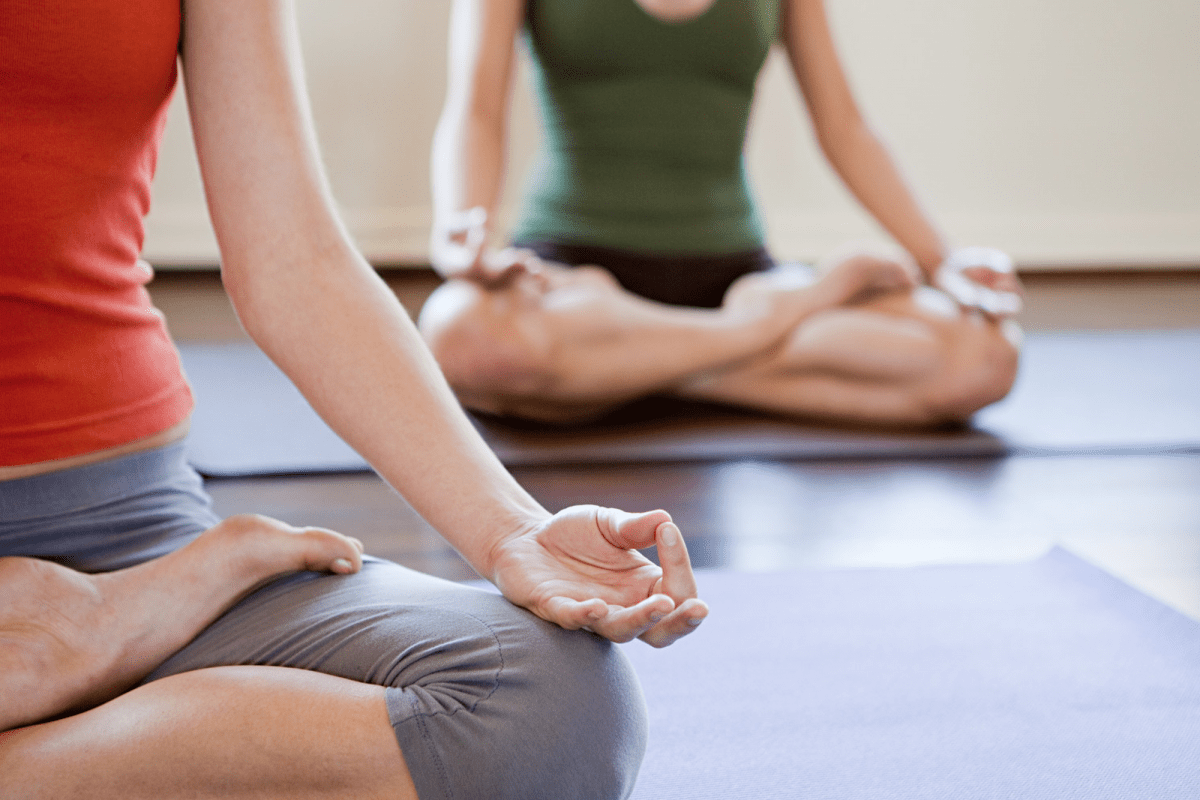
This is where mindfulness basics can help, but keep it plain. Sit still for three minutes. Breathe slower than feels normal. Name what is happening without drama. That tiny pause can stop a stupid reaction from becoming a bad day.
Calm begins earlier than most people think. It begins when you stop asking your body to carry chaos like it is nothing.
Build a day that does not keep picking fights with you
Once you stop burning yourself at both ends, the next problem shows up fast: your day itself may be badly designed. Many people do not have a calm problem. They have a rhythm problem. Their schedule throws them from one demand to the next with no margin, no order, and no mercy.
You need anchors. Morning, midday, and evening should each have one steady action that tells your brain where it is in the day. That could be ten quiet minutes before looking at your phone, a short walk after lunch, and a fixed shutdown routine at night. Small anchors beat dramatic resets because you will actually keep doing them.
I am suspicious of overly packed to-do lists. They look ambitious and act like traps. When every hour is spoken for, one delay turns the whole day sour. Leave white space. Not a fantasy amount. Enough to absorb real life.
This is also where Practical Ways to Improve Calm and Balance stop being theory and start becoming visible. A calmer life often looks boring from the outside. Meals at decent times. Fewer last-minute promises. Less digital clutter. More room to think. Good. Boring is underrated.
The goal is not to control every minute. The goal is to stop building days that punch you in the face by noon. Order creates relief long before motivation shows up.
Guard your attention before the world spends it for you
A noisy mind rarely starts inside your mind. It usually starts outside it. Notifications, headlines, group chats, random opinions, endless comparisons—none of these ask for permission. They just barge in, rearrange the furniture, and leave you with the mess.
Your attention is not a public park. Treat it like private property.
That means setting rules before emotion takes over. Check messages at set times. Keep your phone out of reach when you need to focus. Turn off alerts that do not matter. Unfollow accounts that leave you irritated, restless, or weirdly inadequate after five minutes. Some content is not evil. It is just too expensive for your peace.
I once worked through a stretch where I checked my phone every few minutes and wondered why my brain felt like a shaken soda can. The answer was not deep. I had trained myself to expect interruption. So I changed the rules. Fewer checks. Longer focus blocks. No doom-scrolling before bed. My mood improved faster than my screen-time report would like to admit.
Here is the counterintuitive part: more information does not always make you calmer. Sometimes it makes you twitchier and less clear. A well-informed person still needs limits.
If you want more balance, stop letting every buzzing device act like it owns a room in your head. It does not.
Use your body to calm your mind instead of arguing with it
People love trying to think their way out of tension while sitting completely still, breathing like startled pigeons, and clenching every muscle they have. Then they wonder why the pep talk failed. Your mind is connected to a body, not floating above it like a clever little ghost.
Movement changes the weather inside you. Not every time. But often enough to matter.
You do not need a heroic fitness routine. You need motion that tells your system the threat has passed. A brisk ten-minute walk, gentle stretching in the kitchen, slow breathing after a hard meeting, even washing dishes without multitasking can settle you more than another hour of anxious overthinking. That is why daily calm habits work best when they include something physical.
A woman I know started doing one simple thing during rough afternoons: she walked around the block without her phone. No playlist. No podcast. Just footsteps and air. She came back less sharp-edged, less reactive, and far easier to live with. Her words, not mine.
Your posture matters too. A collapsed body often pulls your mood downward. Stand up. Drop your shoulders. Unclench your hands. It sounds almost insultingly simple. Still works.
When your thoughts get loud, stop trying to out-argue them first. Change your physical state. Your mind usually follows after.
Create relationships and spaces that feel less noisy
By now, the pattern is clear: calm does not survive in chaos for long. Sooner or later, you need to look at the people around you and the rooms you keep returning to. Some environments refill you. Others nick your peace a hundred times a day.
Start with conversation. Notice who leaves you steadier and who leaves you jangling. Not every dramatic person is toxic, but some people turn every small issue into a weather event. If you keep standing in that storm, do not act surprised when you feel drenched. Strong boundaries are not rude. They are maintenance.
Then look at your physical space. A cluttered room can keep your brain slightly irritated without announcing itself. I am not saying your home needs to look like a showroom. That sounds exhausting. I am saying one chair for reading, one cleaner desk, or one quiet corner can change the tone of a whole day.
Noise matters too. Constant television, endless background chatter, and a stream of shallow input make it harder to hear yourself think. Silence can feel strange at first. Keep it anyway.
Balance is social as much as personal. The wrong room, the wrong pace, and the wrong people can keep your nerves humming like bad wiring. Choose better inputs. Your peace gets stronger when your surroundings stop fighting it.
Conclusion
The truth is less glamorous than people hope and more useful than they expect. Calm does not arrive because you bought the right notebook, lit a candle, or promised yourself a fresh start on Monday. It grows when your ordinary choices stop feeding disorder. That is the real power behind Practical Ways to Improve Calm and Balance. They work because they respect how life actually feels: busy, imperfect, noisy, and still worth handling well.
You do not need to fix everything this week. Pick one pressure point and deal with it honestly. Maybe that means sleeping like an adult instead of a raccoon. Maybe it means cutting one draining commitment. Maybe it means protecting twenty quiet minutes like they are expensive—because they are.
Here is my strong opinion: peace is not a luxury item for people with easy lives. It is part of basic self-respect. When you guard it, your decisions improve, your patience lasts longer, and your relationships get less ragged around the edges.
Start small, but start on purpose. Choose one habit from this article today, repeat it for seven days, and watch what shifts. Then build from there. That is how balance becomes real.
FAQs
What are the most practical ways to improve calm and balance every day?
The best place to start is boring on purpose: better sleep, fewer notifications, regular meals, short walks, and a fixed evening routine. Fancy ideas are fine, but simple habits usually steady your mood faster because you can repeat them without a struggle.
How can I feel calmer when my mind will not slow down?
You need to stop trying to win a shouting match with your thoughts. Change your body first. Stand up, breathe slower, walk for ten minutes, and put your phone away. A calmer body gives your mind a better chance to settle.
Can small habits really improve emotional balance over time?
Yes, and that is the sneaky part. Tiny actions look unimpressive in a single day, yet they shape your baseline over weeks. A short pause before reacting, one quiet morning ritual, or one less digital distraction can shift your emotional tone more than grand promises.
Why do I feel overwhelmed even when nothing major is wrong?
Because overload often comes from accumulation, not drama. Too many small demands, too little rest, and constant mental noise can wear you down without one obvious cause. That kind of pressure feels vague, which makes it easy to ignore until it starts running your day.
What daily routine helps create more calm and balance at home?
A solid routine usually includes a slower start, one planned break in the middle of the day, and a clear shutdown at night. Keep it simple enough to repeat. A routine should support your life, not act like another job you can fail at.
How do I protect my peace when other people are stressful?
You need firmer boundaries and fewer apologies about them. Limit access, shorten draining conversations, and stop volunteering for emotional messes that are not yours to carry. Caring about people does not mean giving every chaotic person front-row seats in your head.
Does exercise really help with feeling more balanced mentally?
It often helps because movement burns off tension your thoughts keep recycling. You do not need punishing workouts. A brisk walk, stretching, or light exercise can reduce mental friction and help you return to problems with a steadier, less reactive mind.
What should I stop doing if I want a calmer life?
Stop overscheduling yourself, checking your phone every few minutes, and treating exhaustion like a personality trait. Also stop saying yes when you already resent the request. A calmer life usually begins with subtraction before it benefits from anything new.
How long does it take to notice improvement in calm and balance?
Some changes show up fast. Better sleep, less screen noise, and short daily pauses can improve your mood within days. Deeper balance takes longer because it grows from repetition, not a single breakthrough moment. That is normal, not a sign you are doing it wrong.
Are mindfulness practices necessary for emotional balance?
No, but some form of intentional pause helps a lot. You do not need incense, perfect posture, or a polished routine. You just need moments where you stop reacting automatically and notice what is happening before your stress grabs the steering wheel.
How do I stay calm during busy workdays?
Choose fewer priorities, batch your messages, and stop switching tasks every two minutes. Protect one or two focus blocks like they matter, because they do. Busy days feel less brutal when you cut friction instead of trying to become a machine.
What is the first step if I feel completely out of balance right now?
Pick the most obvious leak and fix that first. Sleep debt, nonstop phone use, skipped meals, or a chaotic schedule usually leave clear fingerprints. Do not rebuild your whole life tonight. Close one gap, then another. That is how control returns.