

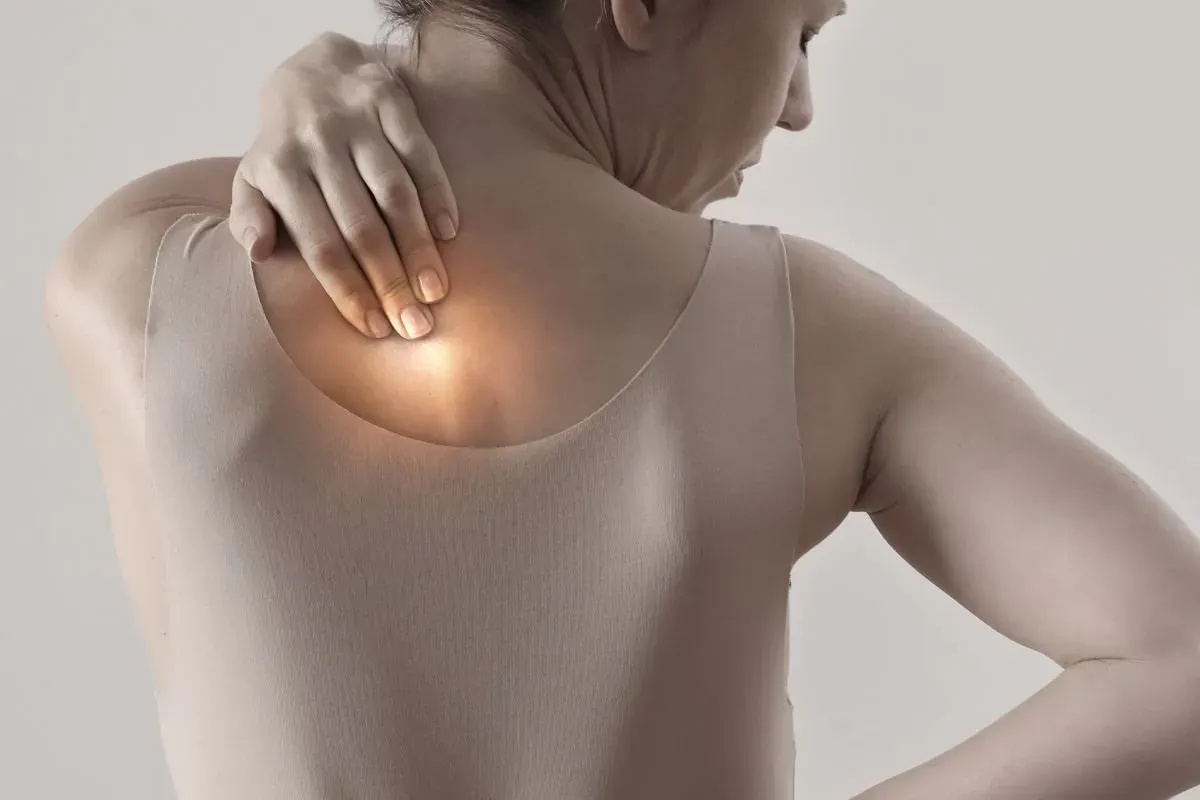

Back pain can happen to almost anyone, whether it’s after lifting something heavy, spending hours working at a desk, or participating in sports. In many cases, the discomfort is caused by a pulled back muscle and improves with rest and conservative care. However, not every episode of back pain is simply a muscle strain. Some … Read More “Common Pulled Back Muscle Symptoms You Shouldn’t Ignore” »

Creating a healthier routine does not require transforming your daily life. Many people assume they need strict meal plans, intense workouts, and schedule changes to improve their well being. In reality, small and consistent choices often create better results because they are easier to maintain. By adjusting ordinary habits, you can support your energy, mood, … Read More “Building a Healthier Routine Without Changing Your Entire Lifestyle” »
For many Toronto residents, the arrival of warmer weather and the transition to summer clothing brings a distinct sense of dread. It is not about a lack of confidence in their bodies; it is the frustrating, incredibly persistent aesthetic issue commonly known as “strawberry skin.” You know the look: dark, highly visible dots speckling your … Read More “Can Laser Hair Removal Actually Cure “Strawberry Skin” For Good in North York, Toronto?” »
A late-night symptom search can feel harmless until it turns into an hour of panic. Across the United States, health conditions become search terms when people are tired, uninsured, embarrassed, scared, or waiting three weeks for an appointment. That search box has become the country’s informal waiting room. It is where a parent checks a … Read More “Most Frequently Googled Health Conditions by Americans” »
A diagnosis can change the sound of an ordinary Tuesday. The phone rings, the portal updates, the prescription changes, and suddenly your body feels like a full-time job. Chronic illness anxiety grows in that space between what doctors can measure and what you still have to live through. For many Americans, that space is not … Read More “Best Coping Mechanisms for Managing Chronic Illness and Anxiety” »
A broken bone can change a life faster than most people expect. For many adults in the United States, the smarter move is to Prevent Osteoporosis before a doctor ever uses that word in a serious conversation. Bone loss often builds quietly, with no sharp warning, no daily pain, and no clear signal until a … Read More “Top Ways to Strengthen Bones and Prevent Osteoporosis Early” »
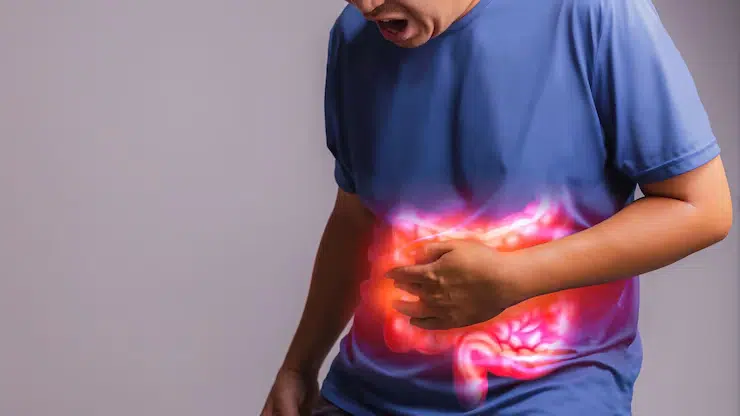
Belly pain can fool even careful people, especially when it starts like gas, food poisoning, or a bad cramp after dinner. The danger is that appendicitis signs often begin small, then turn serious before a person feels ready to call it an emergency. In the U.S., that delay matters because urgent care centers, ERs, and … Read More “Key Signs of Appendicitis That Require Immediate Medical Attention” »
Most Americans do not need another punishing diet plan; they need a pattern of eating that survives busy mornings, tight grocery budgets, family dinners, and doctor visits that come with hard numbers. The strongest case for Mediterranean diet eating is not that it sounds elegant, but that it keeps showing up in serious cardiovascular research … Read More “New Evidence Supporting Mediterranean Diet for Heart Disease Prevention” »
Pain has a way of making ordinary life feel smaller. You stop taking the stairs, skip the weekend walk, avoid kneeling in the garden, and start planning your day around what your knees, hips, hands, or shoulders might allow. For many Americans in their 40s, 50s, and early 60s, chronic joint pain does not arrive … Read More “Major Causes of Chronic Joint Pain in Middle Aged Adults” »
Pain can become a second job when every appointment gives you a new label but no real relief. For many women in the U.S., fibromyalgia misdiagnoses happen because the symptoms sit in the messy middle of medicine: fatigue, brain fog, muscle aches, poor sleep, headaches, gut trouble, and pain that moves around instead of staying … Read More “Common Misdiagnoses Made With Fibromyalgia in Female Patients” »