
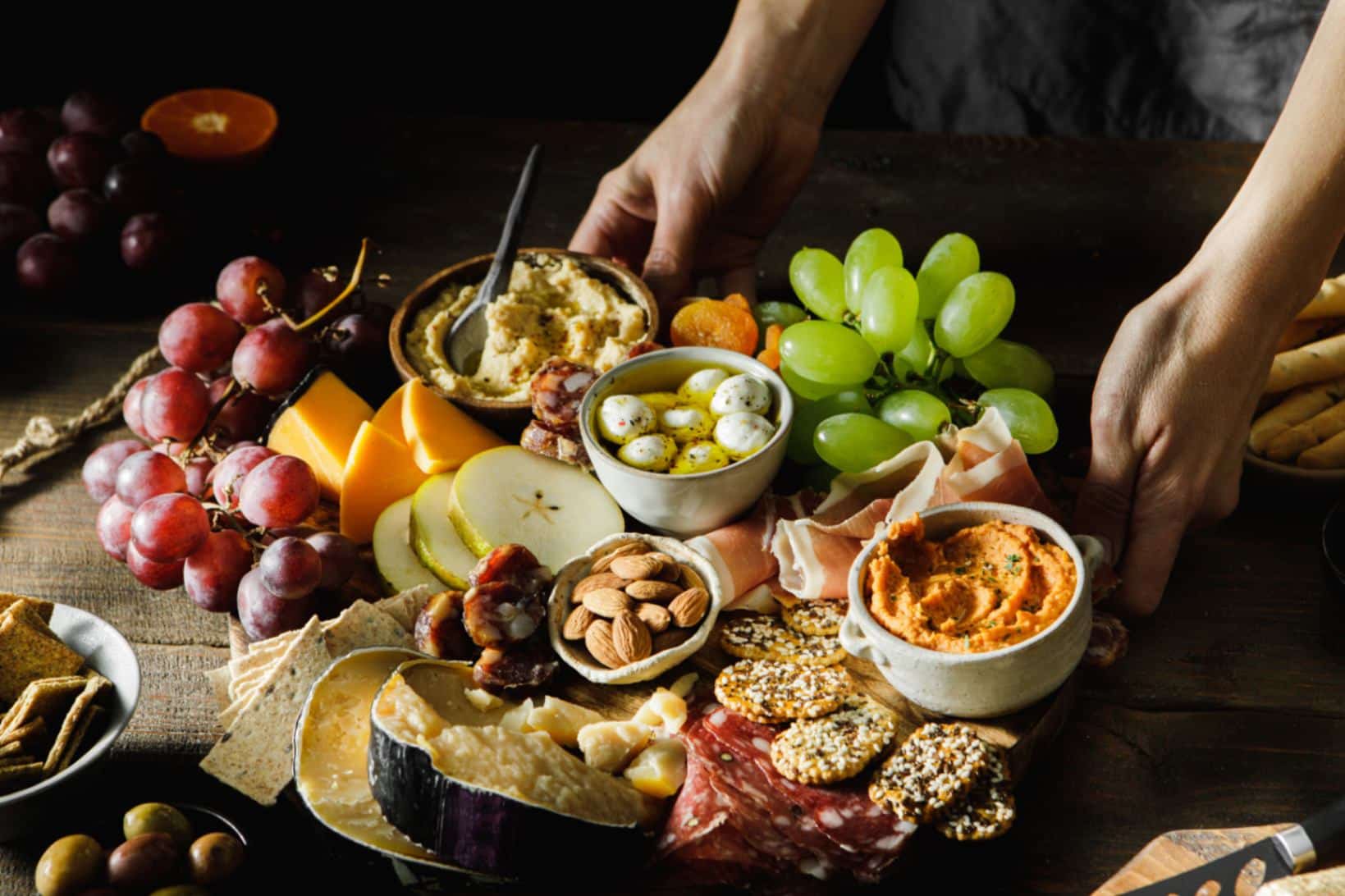
Most Americans do not need another punishing diet plan; they need a pattern of eating that survives busy mornings, tight grocery budgets, family dinners, and doctor visits that come with hard numbers. The strongest case for Mediterranean diet eating is not that it sounds elegant, but that it keeps showing up in serious cardiovascular research as a practical way to lower risk without turning food into a daily punishment. For U.S. adults facing high blood pressure, rising LDL cholesterol, prediabetes, or a family history of heart trouble, that matters. A diet built around vegetables, beans, fruit, whole grains, fish, nuts, olive oil, and fewer ultra-processed foods gives the heart steady support from several directions at once. It is not magic. It is repetition, plate after plate, until better choices become the normal ones. For readers following trusted health and lifestyle updates through reliable wellness coverage, the message is clear: prevention works better when it fits real life.
Why the New Evidence Feels Stronger Than Older Diet Advice
The old diet conversation in the U.S. often sounded like a warning label: eat less fat, count more calories, avoid pleasure, and try harder. That message left many people frustrated because it treated food like a math problem instead of a pattern shaped by culture, stress, money, and habit. Newer cardiovascular nutrition research points in a better direction. It looks less at one nutrient and more at the whole eating pattern, which is where Mediterranean-style meals become more convincing. The American Heart Association’s 2026 dietary guidance also stresses overall dietary patterns across the life course, not isolated “good” or “bad” foods.
Why Whole Eating Patterns Matter More Than Single Nutrients
A person can eat a low-fat snack bar and still have a poor diet. That is the problem with old-style nutrition thinking. It made Americans chase numbers on labels while missing what was actually on the plate.
A Mediterranean-style pattern works differently because the pieces support each other. Beans bring fiber. Olive oil brings unsaturated fat. Fish brings protein and omega-3 fats. Vegetables bring potassium, antioxidants, and volume without much sodium. The benefit comes from the mix, not one heroic ingredient.
That is why the evidence feels more useful for daily life. You are not being asked to worship salmon or fear bread. You are being pushed toward a plate where most foods help your blood vessels, blood pressure, blood sugar, and cholesterol move in the right direction.
What the PREDIMED Trial Changed for Prevention
The PREDIMED trial became a major reason doctors and dietitians took this pattern more seriously. In that study, adults at high cardiovascular risk had fewer major cardiovascular events when assigned to a Mediterranean-style diet with extra-virgin olive oil or nuts compared with a reduced-fat diet. The New England Journal of Medicine republication kept the central finding after correcting trial issues.
That matters because the trial did not ask people to follow an extreme plan. It tested a way of eating that people could recognize at a dinner table: olive oil, nuts, vegetables, legumes, fish, fruit, and fewer processed choices. For many Americans, that feels far more doable than a diet built on shakes, strict points, or fear.
The counterintuitive part is that adding fat was not the enemy. The better fat source mattered. Swapping butter-heavy, processed, or fried patterns for extra-virgin olive oil and nuts gave the body something more protective to work with.
Mediterranean Diet and Heart Disease Prevention in Everyday American Homes
Prevention does not happen in a medical journal. It happens at Walmart, Costco, Kroger, Aldi, a corner store, or a rushed weeknight kitchen after work. That is where heart disease prevention becomes either realistic or another abandoned promise. The strongest eating pattern is the one a person can repeat when life is not calm.
How U.S. Grocery Habits Can Shift Without Feeling Extreme
A practical American version starts with the cart, not the cookbook. Canned beans, frozen vegetables, oats, brown rice, whole-grain pasta, tuna, sardines, eggs, apples, Greek yogurt, walnuts, and olive oil can build a strong base without requiring specialty-store prices.
Small swaps carry more power than people expect. A turkey sandwich on whole-grain bread with hummus and vegetables beats a drive-thru lunch most days. A bowl of beans, rice, salsa, avocado, and greens can fit a family budget better than many “health food” meals.
The real mistake is treating this pattern like a coastal luxury diet. It does not require imported cheese, expensive fish, or perfect farmers market produce. A Midwestern family using canned chickpeas, frozen spinach, olive oil, and baked chicken can move closer to the pattern without changing its entire food culture.
Why Healthy Fats Help More Than Fat Avoidance
Americans spent decades hearing that fat was the villain. That fear pushed many people toward refined snacks, sweetened cereals, and low-fat products that did not protect the heart in any meaningful way.
The better lesson is sharper: replace the wrong fats with better ones. Olive oil, nuts, seeds, avocado, and fatty fish can support healthier cholesterol patterns when they replace butter, processed meats, and fried foods. A 2026 clinical nutrition review noted that dietary guidance continues to favor unsaturated plant oils while limiting saturated fat for cardiovascular health.
This is where the diet earns trust. It does not ask you to eat dry meals and call that discipline. It lets food taste good, which improves the odds that someone will keep going after the first burst of motivation fades.
What the Evidence Says About Risk Factors You Can Actually Track
The best prevention plan should show up somewhere you can measure. Blood pressure, LDL cholesterol, waist size, A1C, triglycerides, and inflammation markers give people feedback long before a heart attack or stroke enters the story. Mediterranean-style eating has value because it touches several of these risk pathways at once.
Blood Pressure, Cholesterol, and Blood Sugar Move Together
High blood pressure rarely travels alone. Many U.S. adults who have it also face weight gain, insulin resistance, sleep problems, or rising cholesterol. A diet pattern that helps only one number may not be enough.
Mediterranean-style meals tend to bring more potassium, fiber, magnesium, and unsaturated fat while cutting back on sodium-heavy processed foods. That combination can support better blood pressure and cholesterol control over time. The American Heart Association describes this pattern as one that emphasizes vegetables, fruits, whole grains, beans, nuts, fish, and olive oil while limiting red meat, sweets, and highly processed foods.
The quiet win is that the same dinner can help several numbers. A lentil soup with vegetables and olive oil is not “for cholesterol” only. It also supports blood sugar, fullness, gut health, and blood pressure. Good food multitasks.
Why Fiber Is the Underrated Heart Tool
Fiber does not get the glamour that protein gets, but it deserves more respect. Beans, oats, barley, berries, vegetables, and whole grains help the body handle cholesterol and blood sugar in a steadier way.
Many Americans think prevention means removing foods. Often, the bigger move is adding the right ones. Add beans to chili. Add oats to breakfast. Add vegetables to pasta. Add fruit instead of dessert on weeknights. The plate changes without feeling like a punishment.
One overlooked benefit is fullness. A high-fiber meal slows the rush to snack again an hour later. That matters because many heart-risk patterns are built from small repeated choices, not one dramatic mistake.
Why This Eating Pattern Works Better Than Short-Term Diets
A short-term diet can lower weight. That does not make it a strong long-term heart plan. Many popular diets work for a few weeks because they reduce choices, not because they build a healthier life. The Mediterranean pattern has a different strength: it gives people a flexible structure they can return to after travel, holidays, stress, or a bad week.
Why Flexibility Protects Consistency
Rigid plans break when life pushes back. A birthday dinner, a road trip, or a stressful month can make people feel like they failed. Once that happens, the whole plan often collapses.
A Mediterranean-style approach gives people room. You can eat chicken, fish, beans, pasta, potatoes, yogurt, fruit, nuts, and bread in sensible forms. You can season food boldly. You can eat with other people without explaining a strange list of forbidden foods.
That social ease matters in the U.S., where food is tied to football Sundays, church meals, office lunches, family cookouts, and school schedules. A prevention plan that cannot survive those settings is not a plan. It is a phase.
Why It Beats the All-or-Nothing Mindset
Many people quit healthy eating because they believe one imperfect meal ruins the effort. That belief does more damage than the meal itself.
This pattern rewards direction, not perfection. If breakfast improves, lunch improves twice a week, and dinners shift toward vegetables and beans more often, risk can start moving. The plan becomes a path rather than a test.
The unexpected truth is that a less dramatic diet may do more good because people stay with it. The body responds to repeated signals over years. A steady plate beats a heroic January that disappears by March.
Making the Pattern Work for Different Heart Risk Levels
Not every person starts from the same place. A 32-year-old with a family history of heart disease needs a different level of urgency than a 67-year-old recovering after a stent. Still, the same basic pattern can flex across risk levels, especially when paired with medical care, movement, sleep, and prescribed treatment.
When Prevention Starts Before the Diagnosis
A person does not need a scary lab report to begin. Family history, rising weight, high stress, smoking history, gestational diabetes, or borderline blood pressure can all be early signals.
The best moment to change is often before medication enters the conversation. That does not mean food replaces medical care. It means food can lower the pressure on the system before the damage becomes harder to reverse.
For a busy American household, the first step can be plain: cook one bean-based dinner each week, replace one processed snack with nuts and fruit, and use olive oil instead of butter for everyday cooking. Those moves sound small until they become normal.
When Food Supports Treatment After a Heart Event
People who already have heart disease need more than motivation. They need a plan that works alongside cardiology care, medication, cardiac rehab, and regular monitoring.
A Mediterranean-style eating pattern can support secondary prevention because it helps address the same risk factors doctors watch after a heart event. Reviews continue to describe this pattern as useful in both prevention and management of cardiovascular disease.
The honest line is simple: diet is not a replacement for statins, blood pressure drugs, procedures, or emergency care when those are needed. Food is part of the foundation. When the foundation is stronger, every other part of care has a better chance to do its job.
Conclusion
The strongest nutrition advice rarely feels flashy. It feels repeatable. That is why this body of evidence deserves attention from Americans who are tired of diet noise and ready for something steadier. A plate built around plants, olive oil, fish, beans, whole grains, nuts, and fewer processed foods gives the heart less daily damage to fight. It also gives people a way to eat that still feels like real food. Mediterranean diet research keeps pointing toward the same lesson: the pattern matters more than the promise. You do not need a perfect kitchen, a luxury grocery budget, or a personality built for restriction. You need a next meal that moves you in the right direction, then another one after that. Start with one grocery swap this week, one home-cooked meal you can repeat, and one lab number you want to improve with your clinician’s guidance. Your heart does not need a performance. It needs consistency that lasts.
Frequently Asked Questions
What is the best Mediterranean-style meal for heart health?
A strong meal includes vegetables, beans or fish, whole grains, and olive oil. A simple example is salmon with brown rice, roasted vegetables, and a side of chickpeas. The goal is balance, not perfection, so build a plate you can repeat.
Can Mediterranean-style eating lower cholesterol naturally?
It can support healthier cholesterol levels, especially when it replaces saturated fats, processed meats, refined snacks, and fried foods. Results vary by person, so cholesterol should still be checked through lab testing and managed with a clinician when needed.
How long does it take to see heart health benefits from this diet pattern?
Some people may see changes in blood pressure, weight, or blood sugar within weeks, while cholesterol shifts may take longer. The bigger benefit comes from staying consistent for months and years, because cardiovascular risk builds over time.
Is olive oil healthy for people trying to prevent heart disease?
Extra-virgin olive oil is a smart everyday fat when it replaces butter, shortening, or heavily processed oils. Portion size still matters because it is calorie-dense, but the fat quality makes it a better choice for many heart-focused meals.
Can Americans follow this diet on a budget?
Yes. Budget-friendly staples include canned beans, lentils, oats, frozen vegetables, brown rice, canned tuna, peanut butter, apples, eggs, and olive oil used in modest amounts. The pattern does not require expensive imported foods or specialty products.
Does this eating style help people with high blood pressure?
It can help because it often increases potassium-rich foods while reducing sodium-heavy processed meals. Vegetables, beans, fruit, nuts, and whole grains all support better blood pressure control when paired with lower salt intake and medical guidance.
Should people with heart disease stop taking medication if they eat this way?
No. Food can support treatment, but it should not replace prescribed medication or cardiology care. Anyone with diagnosed heart disease should discuss diet changes with a clinician and keep following their treatment plan unless told otherwise.
What foods should be limited most for better heart protection?
The biggest targets are processed meats, sugary drinks, refined snacks, fried fast food, butter-heavy meals, and packaged foods high in sodium. Replacing those foods with beans, vegetables, fruit, fish, nuts, and whole grains creates the real shift.