
Back pain can happen to almost anyone, whether it’s after lifting something heavy, spending hours working at a desk, or participating in sports. In many cases, the discomfort is caused by a pulled back muscle and improves with rest and conservative care. However, not every episode of back pain is simply a muscle strain.
Some symptoms may point to a more serious spinal condition, while others may indicate that a muscle injury isn’t healing as expected. Knowing which warning signs deserve medical attention can help you avoid unnecessary complications and receive the right treatment sooner.
Here’s what you should know about common pulled back muscle symptoms and when it’s time to seek professional evaluation.
What Is a Pulled Back Muscle?
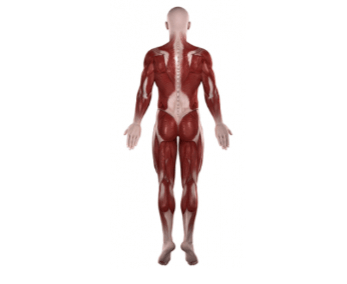
A pulled back muscle, also known as a muscle strain, occurs when muscle fibers or tendons are stretched or torn due to excessive force.
This type of injury commonly results from:
- lifting heavy objects incorrectly
- sudden twisting movements
- overuse during physical activity
- repetitive bending
- poor posture over time
Most muscle strains affect the soft tissues surrounding the spine rather than the spinal column itself.
The Most Common Symptoms
A mild muscle strain often causes localized discomfort that gradually improves over time.
Typical symptoms include:
- aching pain
- muscle tightness
- stiffness
- tenderness when touched
- discomfort with movement
These symptoms usually remain concentrated in one area of the back instead of spreading into the arms or legs.
Pain That Doesn’t Improve
Most minor muscle strains begin to feel better within several days or a few weeks.
If your pain:
- remains unchanged
- continues to worsen
- repeatedly returns
- limits normal activities
it may indicate that something more than a simple muscle strain is involved.
Persistent pain should be evaluated by a healthcare professional.
Difficulty Moving Normally
A pulled muscle often causes temporary stiffness.
However, if you notice:
- difficulty standing upright
- severe limitations when walking
- inability to bend normally
- increasing loss of mobility
your condition may require additional evaluation.
Significant movement restrictions that fail to improve should not be ignored.
Muscle Spasms
Muscle spasms frequently accompany back strains.
These involuntary muscle contractions may:
- occur suddenly
- make movement uncomfortable
- cause temporary stiffness
- interfere with daily activities
While spasms are common during recovery, persistent or severe spasms should be discussed with your healthcare provider.
Pain That Travels Beyond the Back
One important difference between muscle injuries and spinal problems is the location of symptoms.
A simple muscle strain usually stays in one area.
Pain that radiates into:
- the buttocks
- one or both legs
- the shoulders
- the arms
- the feet
may suggest irritation of a spinal nerve rather than a muscle injury alone.
Radiating pain deserves prompt medical evaluation.
Numbness or Tingling
Muscle strains rarely cause neurological symptoms.
If your back pain is accompanied by:
- numbness
- tingling
- burning sensations
- muscle weakness
- reduced sensation
the source of the problem may involve the spine instead of the muscles.
These symptoms should never be ignored.
Weakness During Everyday Activities
Difficulty performing normal tasks may also indicate that additional evaluation is needed.
Examples include:
- trouble climbing stairs
- difficulty lifting everyday objects
- reduced grip strength
- legs giving way
- balance problems
Weakness can sometimes indicate nerve involvement rather than a simple muscle injury.
When Home Care May Be Enough
For many mild muscle strains, conservative care is effective.
Helpful strategies often include:
- brief periods of rest
- gentle stretching
- applying ice or heat
- avoiding heavy lifting
- gradually returning to activity
Improvement should occur steadily over time.
If symptoms fail to improve, additional assessment may be appropriate.
Understanding When Symptoms May Signal Something More Serious
Many people assume every episode of back pain is caused by a muscle strain, but spinal conditions can produce similar symptoms during the early stages.
If you’re uncertain whether your discomfort matches typical pulled back muscle symptoms or could be related to an underlying spinal condition, learning the differences can help you recognize when a professional evaluation is warranted.
Personalized Evaluation Matters
Back pain can have many different causes, and successful treatment begins with identifying the source of the problem.
Rather than relying on symptoms alone, the specialists at inspired spine carefully evaluate each patient’s medical history, physical examination, and diagnostic findings to determine whether the pain is related to a muscle injury, spinal condition, or another underlying issue before recommending the most appropriate course of treatment.
Most pulled back muscles improve with time, rest, and conservative care. However, symptoms that persist, worsen, or spread beyond the back should never be ignored. Pain accompanied by numbness, tingling, weakness, or difficulty walking may indicate a spinal condition that requires medical attention.
Understanding the warning signs can help you make informed decisions about your health and seek evaluation before a potentially more serious condition progresses. Early diagnosis remains one of the best ways to support effective treatment and a safe return to your normal daily activities.