A broken bone can change a life faster than most people expect. For many adults in the United States, the smarter move is to Prevent Osteoporosis before a doctor ever uses that word in a serious conversation. Bone loss often builds quietly, with no sharp warning, no daily pain, and no clear signal until a wrist, hip, or spine fracture forces the issue. That is what makes early action matter so much.
Strong bones are not built from one magic supplement or one gym habit. They come from repeatable choices: better meals, smart movement, safer homes, better screening, and fewer small habits that slowly drain bone strength. The same logic applies to long-term wellness habits shared through trusted health resources like preventive lifestyle guidance, where the best advice is usually practical before it is dramatic.
U.S. adults have good reason to pay attention. CDC data shows osteoporosis among adults 50 and older rose from 9.4% in 2007–2008 to 12.6% in 2017–2018, while low bone mass affected about 43.1% of adults in that age group. The good news is plain: bone strength responds to pressure, food, sunlight, balance work, and medical timing. You do not need panic. You need a plan that starts before the fall.
Prevent Osteoporosis Before Bone Loss Becomes a Crisis
Bone health gets ignored because it does not demand attention every morning. Blood pressure has numbers, weight has a scale, and cholesterol has a lab report, but bones sit quietly in the background until something goes wrong. That silence fools people. The better approach is to treat bones like retirement savings: small deposits made early give you more room later.
Why early bone care matters before symptoms appear
Bone loss rarely feels urgent in your 30s, 40s, or even early 50s. A person can work full time, walk the dog, carry groceries, and still lose bone density year after year. The body does not always send a warning before the structure weakens.
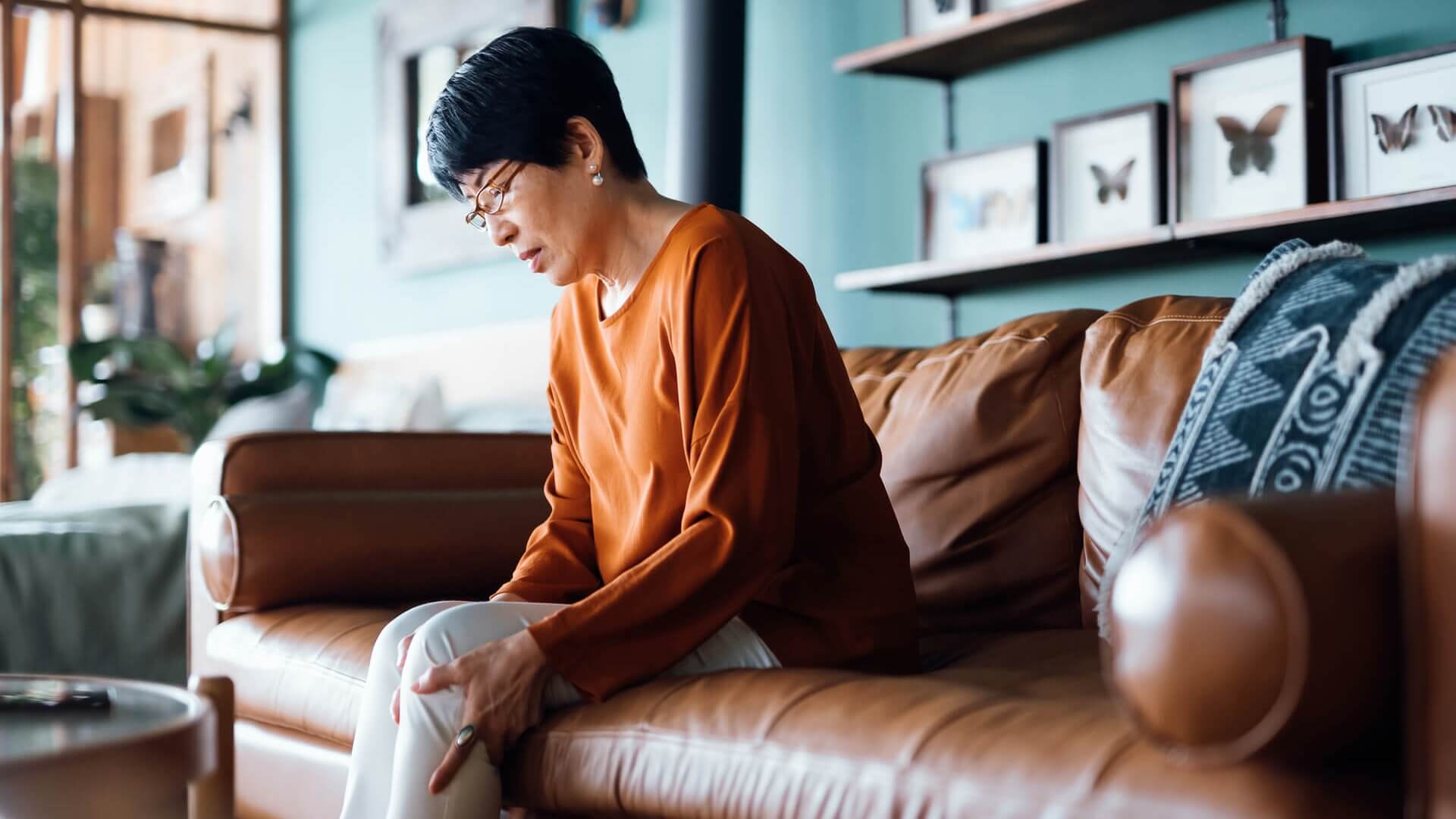
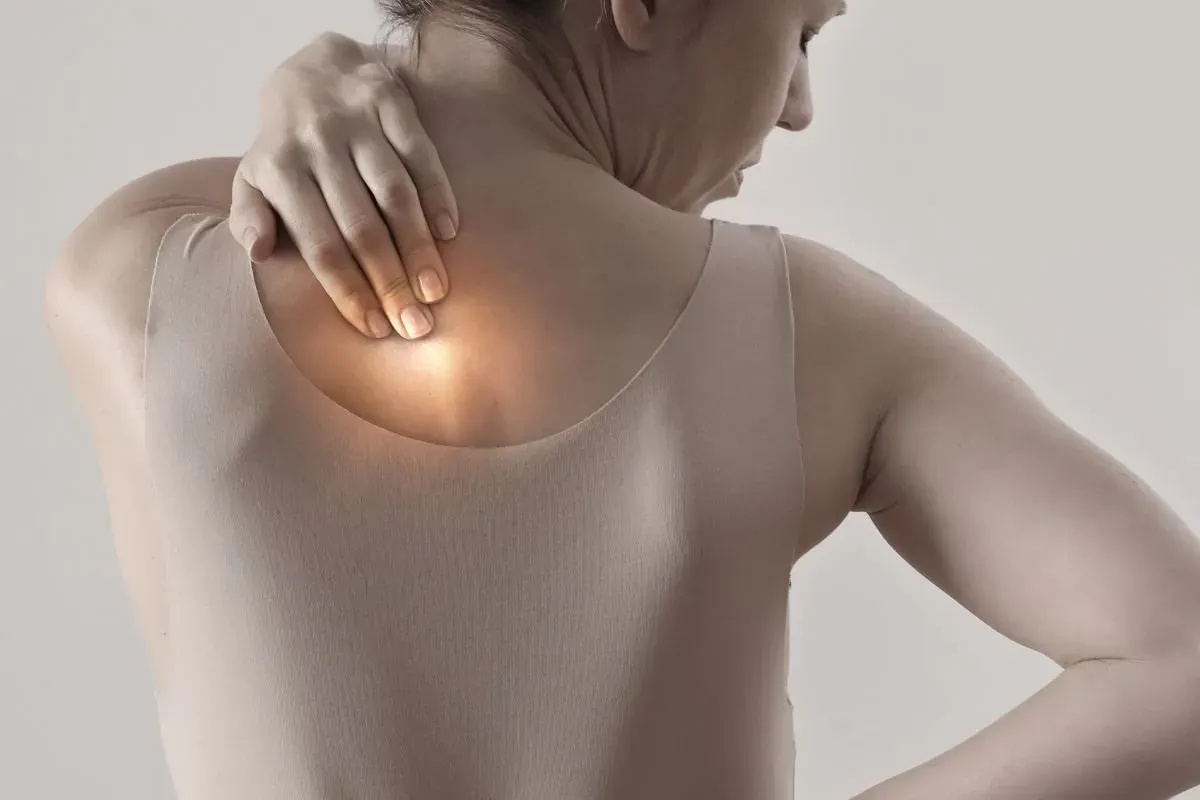
That is why waiting for pain is a poor strategy. Osteoporosis does not always announce itself with aching bones. For some Americans, the first clear sign is a fracture from a small fall, a missed step, or a hard twist while lifting something at home.
Women after menopause face higher risk because estrogen drops, and estrogen helps protect bone. Men are not exempt. Low testosterone, smoking, heavy drinking, long-term steroid use, low body weight, and some digestive disorders can all push bone loss forward.
The counterintuitive part is that “feeling fine” can be the most dangerous signal. It can make you delay the habits that would have helped most. Bone health rewards people who act before the problem feels personal.
How U.S. screening habits can change the outcome
A bone density test gives you information you cannot guess from appearance, energy, or daily activity. The most common test, a DXA scan, checks areas such as the hip and spine because those fractures can change independence fast. A thin person who walks daily may still need screening if risk factors stack up.
Many U.S. adults talk to a doctor about cholesterol before they ever ask about bones. That order makes sense in one way, but it misses the quiet cost of fractures. A hip fracture can mean surgery, rehab, missed work for adult children, and a loss of confidence that never fully returns.
Screening is not only for people who already look frail. It matters for postmenopausal women, older men with risk factors, adults who have broken a bone after age 50, and people who take medicines that weaken bone over time. The National Institute on Aging points to food, physical activity, fall prevention, and medical care as key parts of keeping bones strong with age.
A smart doctor visit starts with direct questions: Do I need a bone density test? Am I getting enough calcium and vitamin D? Do any of my medicines raise fracture risk? Those questions are simple. They can shift the next decade.
Build Bone Strength Through Food That Works in Real Life
Food advice often sounds clean on paper and messy by Tuesday night. That is why bone nutrition needs to fit regular American kitchens, not fantasy meal plans. The goal is not perfect eating. The goal is steady intake of the nutrients your skeleton keeps asking for, even when life is busy.
Calcium and vitamin D need a daily rhythm
Calcium and vitamin D work as a pair, but they are not the same job. Calcium helps build the mineral structure of bone. Vitamin D helps the body absorb calcium, which means low vitamin D can make a decent diet work less well than expected.
For many adults, dairy is the easiest calcium source: milk, yogurt, cottage cheese, and cheese all count. People who avoid dairy can still build a strong pattern with fortified plant milks, calcium-set tofu, canned salmon with bones, sardines, collard greens, kale, and fortified orange juice.
Calcium and vitamin D should come from food first when possible. Supplements can help some people, but they are not a free pass. The USPSTF found that low-dose calcium and vitamin D supplements did not prevent fractures in community-dwelling postmenopausal women, which is a useful reminder that pills cannot replace strength, balance, and risk-based care.
A practical example helps. A woman in Ohio who skips breakfast, drinks coffee until noon, eats a salad for lunch, and grabs takeout at night may think she eats “healthy.” Her bones may disagree. Add Greek yogurt, fortified milk, salmon, or tofu to that week, and the pattern changes without turning life upside down.
Protein and minerals are the forgotten bone builders
Protein often gets framed as a muscle topic, but muscle and bone live in the same neighborhood. Stronger muscles pull on bones, support balance, and reduce fall risk. Low protein intake can leave older adults weaker even when their calcium intake looks acceptable.
A bone-friendly plate needs protein from eggs, poultry, fish, beans, lentils, lean beef, tofu, yogurt, or cottage cheese. The best choice depends on budget, culture, appetite, and medical needs. A retired man in Arizona may do better with eggs and beans than with a complicated supplement schedule he will abandon by Friday.
Magnesium, potassium, and vitamin K also support bone health through normal eating patterns. That does not mean you need a cabinet full of bottles. It means meals with beans, leafy greens, potatoes, bananas, nuts, seeds, and whole grains carry more value than people give them credit for.
Here is the honest twist: a “light” diet can hurt bones. Many adults, especially women, cut calories for years and accidentally cut the nutrients that protect them later. Thin does not always mean strong. Sometimes it means underfed.
Strengthen Bones With Movement That Applies the Right Pressure
Bones are living tissue, not dry sticks inside the body. They react to force. The right kind of movement tells bone to hold strength, while too much sitting tells the body that less structure may be enough. That message matters more with each decade.
Weight-bearing exercise sends the signal bones need
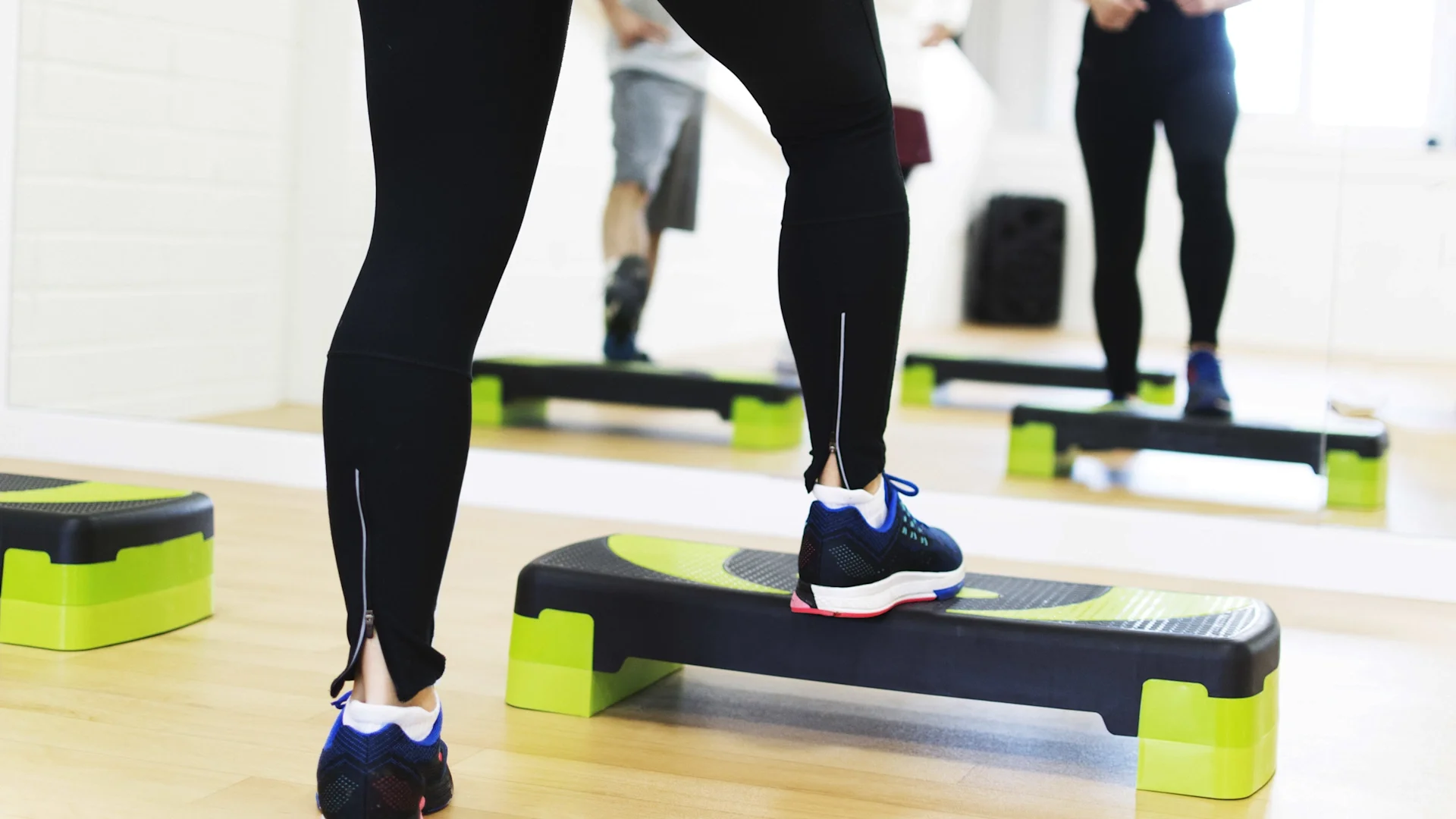
Weight-bearing exercise means your body works against gravity while your feet or legs carry you. Walking, hiking, stair climbing, dancing, tennis, and low-impact aerobics all count. The goal is not punishment. The goal is regular pressure that gives bones a reason to stay dense.
A 25-minute walk after dinner may sound too ordinary to matter. It matters because ordinary habits repeat. A person who walks five days a week for years sends a stronger message to bone than someone who attacks the gym for three weeks every January.
Weight-bearing exercise also helps people keep coordination. That may be the hidden win. Better rhythm, better foot placement, and better confidence can reduce the sloppy movements that lead to falls.
Still, not all exercise fits every body. Someone with spine fractures, severe osteoporosis, or balance problems should ask a clinician or physical therapist before jumping into twisting moves, heavy lifting, or high-impact workouts. Bone training should build confidence, not create fear.
Strength and balance protect the bones you already have
Strength training deserves more respect in bone care. Muscles act like a protective frame around the skeleton. When your legs, hips, back, and core stay strong, you get up from chairs better, climb stairs better, and catch yourself better when a sidewalk surprises you.
Resistance bands, machines, dumbbells, bodyweight squats, wall pushups, and supervised weight training can all help. The right starting point is the one you can do safely. A beginner does not need a dramatic program. Two or three steady sessions per week can change how the body handles daily life.
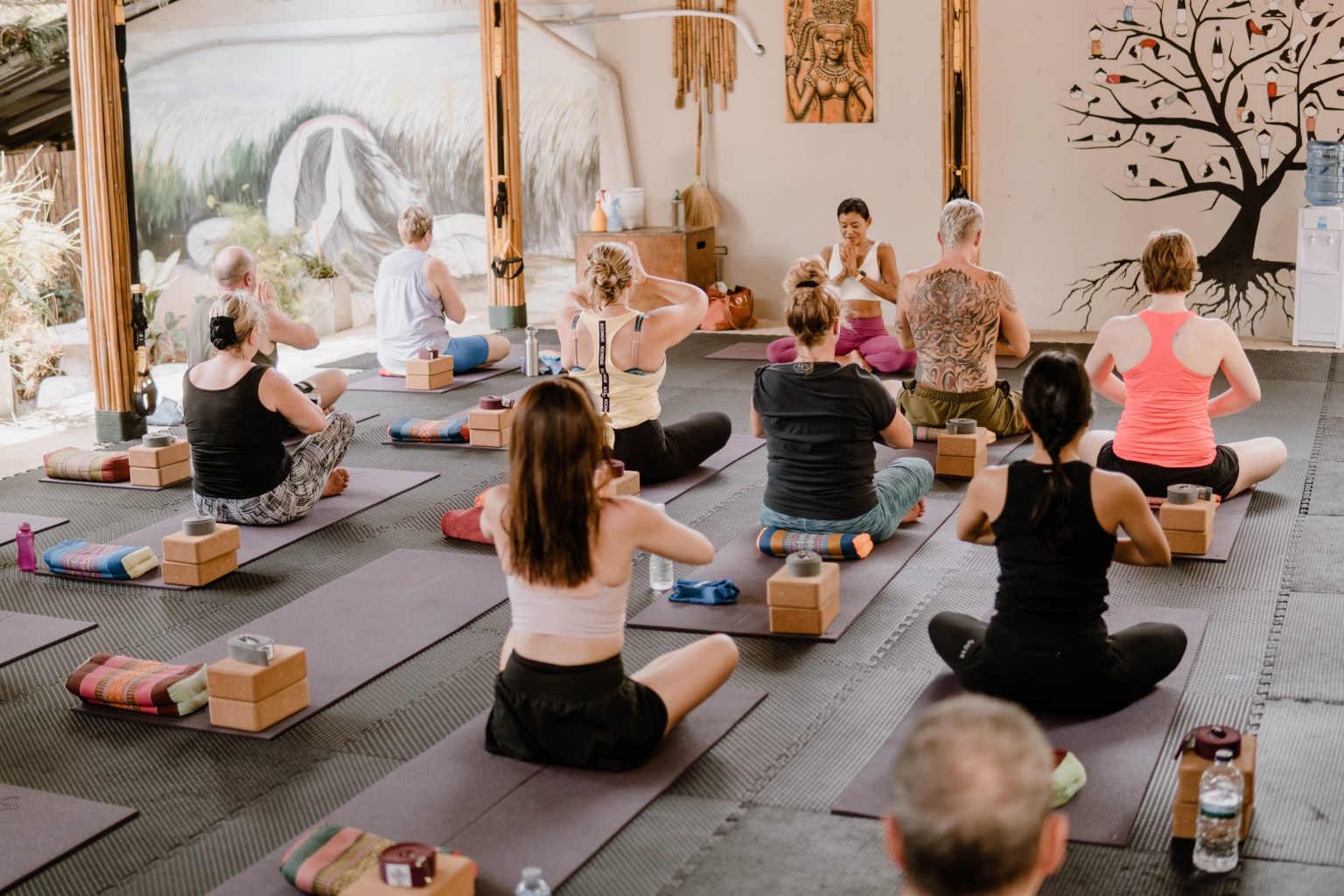
Balance work belongs in the same conversation. Tai chi, heel-to-toe walking, single-leg stands near a counter, and physical therapy drills can lower fall risk by improving control. The Bone Health & Osteoporosis Foundation notes that strength, balance, posture, and safe movement can help prevent falls and broken bones.
The unexpected insight is that fall prevention is bone care. People often think the only goal is stronger bones, but a strong bone that never hits the floor has a better chance. Sometimes the smartest fracture strategy starts with better shoes and a clearer hallway.
Remove the Habits and Home Risks That Quietly Weaken Bones
The final layer of bone protection is less glamorous than food or exercise. It is the set of small decisions that either protect your skeleton or keep taxing it. Some risks live in the body. Others live on the bathroom floor, in a dark hallway, or inside a medicine cabinet.
Smoking, alcohol, and inactivity carry a hidden bone cost
Smoking damages more than lungs. It has been linked with lower bone mass and higher fracture risk, partly because it can affect hormones, blood flow, and the cells involved in bone rebuilding. Quitting is not only a heart and cancer decision. It is a bone decision too.
Alcohol needs the same honest treatment. Heavy drinking raises fall risk, interferes with nutrition, and can weaken bone over time. A nightly pattern that feels social or harmless can become a fracture risk when balance, sleep, and reaction time start slipping.
Inactivity may be the most socially accepted risk. Many Americans sit through work, drive through errands, stream through the evening, and call themselves tired rather than undertrained. The body adapts to what you ask of it. Ask too little, and it gives back less.
NIAMS lists staying physically active, eating a diet rich in calcium and vitamin D, quitting smoking, limiting alcohol, and taking prescribed medicines when needed as ways to protect bone health. That advice sounds plain because the best bone habits usually are.
Safer homes reduce fracture risk faster than people expect
A home can look clean and still be risky. Loose rugs, poor lighting, cluttered stairs, slippery tubs, curled extension cords, and pets sleeping in walking paths can turn a normal Tuesday into an emergency room visit. Bone health does not stop at the kitchen or gym.
Start with the places where falls happen fast: bathrooms, stairs, bedrooms, and front steps. Add night lights. Install grab bars where needed. Use non-slip mats. Keep shoes supportive. Move cords away from walking routes. Fix uneven outdoor surfaces when possible.
Medication review matters too. Some sleep aids, blood pressure medicines, allergy pills, and pain medicines can increase dizziness or slow reaction time. A pharmacist or doctor can often spot combinations that raise fall risk, especially for older adults who see more than one prescriber.
The quiet truth is that pride causes fractures. People resist grab bars, canes, better lighting, and balance classes because those tools feel like old age. They are not symbols of decline. They are tools for staying in charge.
Bone strength is not a one-time project you finish after buying calcium tablets or joining a gym. It is a steady relationship with your future body. The earlier you start, the more choices you give yourself later, especially if family history, menopause, medication use, or past fractures already raise your risk.
The best plan to Prevent Osteoporosis is simple enough to keep: eat for bones, move against gravity, train strength and balance, remove fall hazards, and ask your doctor when screening makes sense. None of that needs to feel extreme. The power is in repeating it while life still feels normal.
Start with one concrete step this week. Book the checkup you delayed, add one calcium-rich food to your daily routine, take a walk after dinner, or clear the hallway that keeps catching your foot. Your bones are keeping score, and today’s small action may be the reason you stay steady years from now.
Frequently Asked Questions
What is the best age to start building stronger bones?
Bone-building habits should start in childhood and continue through adulthood, but it is never too late to improve your routine. Adults in their 30s, 40s, and 50s can still protect bone strength through food, exercise, screening, and safer lifestyle choices.
How can women lower bone loss risk after menopause?
Postmenopausal women should talk with a doctor about bone density testing, calcium intake, vitamin D status, strength training, and family history. The drop in estrogen can speed bone loss, so waiting until a fracture happens is a poor plan.
What foods help improve bone density naturally?
Dairy foods, fortified plant milks, tofu, leafy greens, canned salmon, sardines, beans, nuts, seeds, and protein-rich meals can support bone density. The strongest pattern is consistent, balanced eating rather than chasing one “perfect” bone food.
Is walking enough to protect bones as you age?
Walking helps, especially when done often, but it works best with strength and balance training. Bones and muscles need varied pressure. Add resistance bands, light weights, stair climbing, or supervised exercises if your doctor says they are safe.
How much calcium do adults need for bone health?
Many adults need about 1,000 to 1,200 mg of calcium per day from food and supplements combined, depending on age and sex. A clinician can help you decide your target, especially if you have kidney disease or take medicines that affect calcium.
Can vitamin D alone stop bone loss?
Vitamin D supports calcium absorption, but it does not replace exercise, protein, fall prevention, screening, or medical treatment when needed. People with low vitamin D may need correction, but taking random supplements without testing is not a complete bone plan.
What home changes help prevent fractures in older adults?
Better lighting, grab bars, non-slip mats, clear walkways, sturdy shoes, safe stairs, and removed loose rugs can lower fall risk. These changes may feel small, but they directly reduce the chance of a fall that leads to a serious fracture.
When should someone ask a doctor about a bone density test?
Ask about testing if you are a woman 65 or older, a younger postmenopausal woman with risk factors, a man with bone risks, or anyone over 50 with a low-trauma fracture. Long-term steroid use also deserves a bone health discussion.