
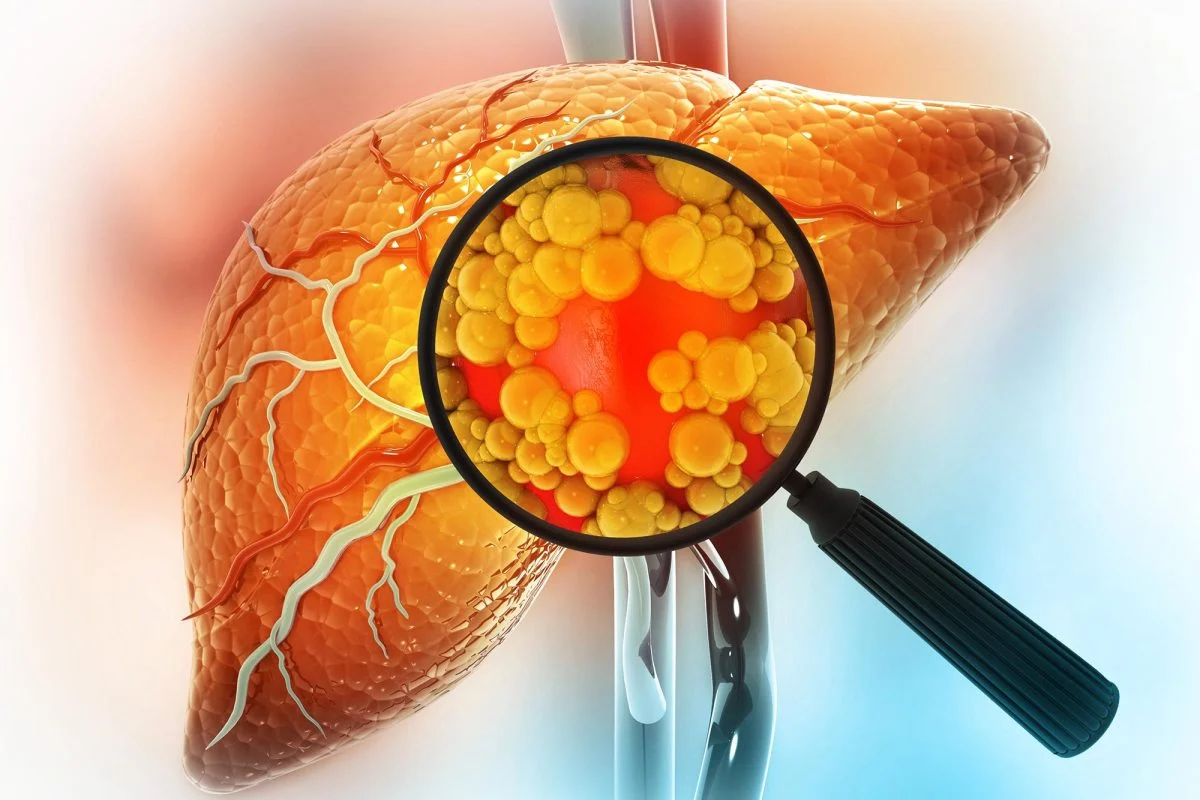
A liver problem can stay quiet for years, then show up in a blood test like an accusation. For many Americans, fatty liver disease naturally becomes the question after a doctor says liver enzymes are high, an ultrasound shows fat, or a metabolic panel points toward insulin resistance. The better news is not flashy, but it matters: research keeps showing that the liver can respond when the right pressure comes off it. That does not mean teas, cleanses, or supplement stacks. It means weight change when needed, better food patterns, steadier activity, less alcohol, improved blood sugar, and medical follow-up when scarring risk is present. Readers who track health, wellness, and public-interest updates through trusted health reporting resources are seeing the same shift: natural reversal is less about “detoxing” and more about correcting the metabolic signals that keep the liver overloaded. Current U.S. treatment has also changed because resmetirom and semaglutide now have FDA-approved roles for certain adults with MASH and fibrosis, but both are still used alongside diet and exercise, not instead of them.
What New Research Says About Reversal
The biggest change in liver research is the way experts now talk about this condition. Many doctors use MASLD, or metabolic dysfunction-associated steatotic liver disease, because the old label “nonalcoholic” described what the disease was not. The newer language points to what often drives it: insulin resistance, belly fat, high triglycerides, type 2 diabetes, high blood pressure, and sleep or lifestyle patterns that push the liver into storage mode.
Why the Liver Can Improve Before It Is “Perfect”
The liver is not a passive storage bag. It is a working organ that burns fuel, packages fat, manages sugar, filters blood, and reacts fast when your daily inputs change. That is why some people see liver enzymes improve before they lose a dramatic amount of weight.
Clinical guidance still points to weight loss as one of the strongest tools, especially for people with overweight or obesity. A smaller waist can mean less fat flowing into the liver, less inflammation, and better insulin signaling. The counterintuitive part is that the first win may not look dramatic from the outside. A person in Ohio who swaps late-night fast food for a steady dinner pattern may see better labs before friends notice any body change.
Why “Natural” Does Not Mean Casual
Natural care fails when it becomes vague. “Eat clean” is not a plan. “Move more” is not a plan. The liver responds better to patterns you can repeat on a tired Tuesday after work.
The research-backed direction is clearer: a Mediterranean-style eating pattern, fewer sugar-sweetened drinks, fewer refined starches, regular exercise, and careful alcohol limits. European liver, diabetes, and obesity societies strongly recommend diet and exercise to reduce liver fat, including in normal-weight adults with MASLD. That point matters in the U.S., where people often assume only weight explains liver fat. Not always. But often enough to miss lean patients who still need help.
Fatty Liver Disease Research Is Moving Beyond Guesswork
For years, patients were told to lose weight and come back later. That advice was partly true, but too blunt. Newer research pushes clinicians to separate simple fat buildup from MASH, where inflammation and liver cell injury raise the stakes, especially when fibrosis has started.
How Doctors Now Look for Fibrosis Risk
The practical move in U.S. primary care is risk sorting. A doctor may use blood tests, platelet count, age, liver enzymes, diabetes status, and noninvasive scores before sending someone to a specialist. If risk looks higher, tools like FibroScan, enhanced liver fibrosis testing, MRI-based tests, or referral to hepatology may follow.
This matters because liver fat alone is not the whole story. Fibrosis is the line doctors worry about. A patient in Dallas with type 2 diabetes and mild liver enzyme changes may need more aggressive evaluation than a younger patient with temporary weight gain and no metabolic risk. The label can look similar on an ultrasound, but the danger is not the same.
Why Medications Still Do Not Replace Daily Habits
The FDA approved resmetirom in March 2024 for adults with noncirrhotic NASH, now commonly called MASH, with moderate to advanced fibrosis, to be used with diet and exercise. That approval changed the field because it gave specialists a liver-directed drug option for a defined high-risk group. In the phase 3 trial, MASH resolution without worsening fibrosis occurred more often with resmetirom than placebo.
Semaglutide moved the field again. A 2025 phase 3 trial found once-weekly semaglutide 2.4 mg improved liver histology in patients with MASH and moderate or advanced fibrosis, and the FDA approved Wegovy for adults with noncirrhotic MASH with moderate-to-advanced scarring in August 2025. That is big news, but it does not turn liver care into a prescription-only story. The FDA approval still pairs treatment with reduced calories and increased physical activity.
Food Patterns That Actually Lower Liver Stress
Food advice gets noisy fast. One influencer blames fruit. Another sells liver pills. A third tells people to fear every carbohydrate. The clinical picture is calmer: the liver usually improves when total calorie overload falls, added sugar drops, fiber rises, and meals stop hammering blood sugar all day.
Why Sugary Drinks Hit the Liver Hard
Liquid sugar is a quiet problem because it arrives fast and does not fill you up. Soda, sweet tea, energy drinks, sweet coffee, and large juices can push extra sugar toward the liver before the body has a fair chance to use it.
The real-world fix does not need drama. A man in Phoenix who drinks two large sweet teas a day can make a meaningful liver-friendly change by replacing one with unsweetened tea for two weeks, then replacing the second later. That sounds small until you do the math across a year. The liver notices habits before it notices speeches.
Why the Mediterranean Pattern Keeps Winning
The Mediterranean-style pattern works because it does not ask people to live on punishment food. It favors vegetables, beans, lentils, fruit, whole grains, nuts, olive oil, fish, and modest portions of poultry or dairy. It also pushes processed meats, refined snacks, and sugar-heavy foods to the edge of the plate.
Americans often need a version that fits local life. That may mean salmon and roasted vegetables in Seattle, turkey chili with beans in Michigan, or a grocery-store rotisserie chicken with salad and brown rice in Georgia. The exact meal matters less than the signal it sends: less refined fuel, more fiber, better fats, and steadier energy. Clinical guidance supports dietary changes and exercise as core treatment for MASLD, even as drug options expand.
Movement, Weight Loss, and Metabolic Repair
Exercise helps the liver even when the scale acts stubborn. That frustrates people because they want visible proof. The liver does not care about your mirror first. It cares about insulin sensitivity, muscle glucose uptake, fat flow, inflammation, and how often your body gets a reason to burn stored fuel.
Why Walking After Meals Is Underrated
A 10- to 20-minute walk after dinner can be more useful than people expect. It helps muscles pull sugar from the bloodstream, which can reduce the glucose and insulin swings that feed liver fat over time.
This is where perfection ruins people. You do not need a boutique gym or a punishing boot camp. A nurse in Pennsylvania who walks the hospital parking lot after a shift may be doing more for metabolic repair than someone who plans a “perfect” workout and skips it four nights in a row. Consistency beats intensity when the goal is liver change.
How Much Weight Loss Makes a Difference
Doctors often discuss weight-loss targets because the effect can be dose-related. Smaller losses may reduce liver fat, while larger losses can improve inflammation and, in some cases, fibrosis risk. The exact goal should be personal, especially for people who are lean, older, pregnant, managing eating-disorder history, or taking medications that affect weight.
The better mindset is to aim for a measurable trend, not a miracle month. Waist size, A1C, triglycerides, blood pressure, ALT, AST, and noninvasive fibrosis scores can show progress from different angles. The liver is part of a wider metabolic system, so progress rarely travels through one number alone.
Alcohol, Sleep, and Hidden Triggers
People talk about food first, but liver repair can stall for reasons that sit outside the plate. Alcohol, sleep loss, untreated sleep apnea, certain medications, rapid weight cycling, and poor diabetes control can keep the liver inflamed while someone thinks they are “doing everything right.”
Why Alcohol Limits Need a Fresh Look
Alcohol advice has become more cautious because the liver has no interest in your social story. If liver fat or fibrosis risk is already present, even moderate drinking may deserve a direct conversation with a clinician.
This does not mean every person gets the same rule. It means guessing is lazy. A woman in Nashville with elevated liver enzymes, prediabetes, and weekend cocktails needs different guidance than someone with normal testing and no metabolic disease. The safest move is to ask the doctor what alcohol limit fits the actual liver risk, not what feels culturally normal.
Why Sleep Apnea Can Keep the Liver Under Pressure
Sleep apnea is one of the under-discussed pieces in liver health. Repeated oxygen drops at night can worsen metabolic stress, raise inflammation, and make weight control harder. Many Americans never connect snoring, daytime fatigue, and liver labs, but the body connects them every night.
A practical clue is morning exhaustion despite enough hours in bed. If a partner notices choking sounds, pauses in breathing, or heavy snoring, a sleep evaluation may be more than a quality-of-life move. It may remove a hidden driver that keeps the liver stuck.
What “Reversing” Should Mean in Real Life
Reversal should not be sold like a switch flipping from sick to cured. A better way to think about it is staged improvement: less liver fat, better enzymes, lower inflammation, improved metabolic markers, and lower fibrosis risk. Each step counts, but they are not identical.
Why Lab Improvement Is Not the Whole Story
ALT and AST can improve while deeper risk remains, and they can stay mildly abnormal while the liver is moving in the right direction. That is why clinicians use the whole picture, not one number on a portal screen.
Patients deserve that honesty. A normal blood test feels comforting, but it does not always rule out scarring. On the other side, one abnormal test is not a life sentence. The smartest path is repeat testing, risk scoring, and follow-up based on diabetes status, weight history, imaging, and family risk.
When Specialist Care Makes Sense
A liver specialist becomes more important when fibrosis risk is moderate or high, diabetes is present, enzymes stay abnormal, imaging suggests scarring, or symptoms appear. Warning signs such as swelling, yellowing eyes, vomiting blood, confusion, or black stools need urgent care.
New FDA-approved options make this referral more useful for some patients. Resmetirom and semaglutide are not casual wellness tools, and they are not for every person with liver fat. They belong in a medical decision, especially when fibrosis stage, insurance, side effects, pregnancy plans, other medications, and long-term follow-up all matter.
Building a U.S.-Friendly Plan That Sticks
The best plan is boring enough to repeat and serious enough to change the biology. That balance is hard because Americans live inside long workdays, drive-through food, high grocery prices, family stress, and insurance friction. Advice that ignores that reality usually dies by week three.
Start With the Highest-Impact Swap
One strong swap beats six weak promises. Replace sugary drinks, build a protein-and-fiber breakfast, walk after dinner, reduce alcohol, or set a fixed bedtime. Pick the habit that removes the largest pressure from your liver with the least daily negotiation.
A simple first month could look like this: unsweetened drinks most days, beans or vegetables at one meal daily, three 25-minute walks per week, and no alcohol until the next liver panel. That is not glamorous. It is also far more useful than a supplement drawer full of hope.
Use Follow-Up as Motivation, Not Judgment
Follow-up turns effort into feedback. Ask your clinician which numbers you are tracking and when to retest. For many people, that may include liver enzymes, A1C, lipids, weight, waist size, and a fibrosis risk score.
The emotional side matters too. Shame makes people hide from labs. Curiosity brings them back. Fatty liver disease naturally improves for many people when the plan is specific, measured, and honest about setbacks. The next step is not to chase a perfect liver-health identity; it is to book the follow-up, choose one hard habit, and keep going long enough for the liver to believe you.
Frequently Asked Questions
Can fatty liver be reversed without medication?
Yes, many people reduce liver fat through weight loss when needed, better food patterns, regular activity, improved blood sugar, and alcohol reduction. Medication may still be needed when MASH and fibrosis are present, so testing and medical follow-up matter.
What is the fastest natural way to reduce liver fat?
The fastest useful move is usually cutting sugary drinks and refined snacks while adding consistent walking. Rapid crash diets can backfire. A steady calorie reduction, higher fiber intake, and better diabetes control tend to help more safely.
Is coffee good for liver health?
Coffee is linked with better liver outcomes in several studies, especially when it replaces sugary drinks. Plain coffee is the better choice. Large sweet coffee drinks can add enough sugar and calories to work against the benefit.
Does losing belly fat help liver fat?
Yes, belly fat often reflects metabolic stress that affects the liver. Reducing waist size can improve insulin resistance and lower fat flow into the liver. Even modest progress can help labs and liver fat.
Are liver detox supplements safe?
Many liver detox products are unproven, and some can harm the liver. “Natural” does not mean safe. Bring any supplement list to your clinician, especially if liver enzymes are high or you take prescription medicine.
How long does it take to improve liver enzymes?
Some people see changes in a few months, but timing varies. Food, activity, alcohol use, diabetes control, medications, and weight trends all affect results. Repeat testing should follow your clinician’s plan.
Can thin people get fatty liver?
Yes, lean people can develop MASLD, especially with insulin resistance, high triglycerides, poor diet quality, genetics, or type 2 diabetes risk. Weight loss is not always the right goal, but diet and exercise still matter.
When should someone see a liver specialist?
A specialist makes sense when fibrosis risk is elevated, liver enzymes stay abnormal, diabetes is present, imaging suggests scarring, or symptoms appear. New treatments are available for certain adults with MASH and fibrosis, but they require proper evaluation.