
A stroke can feel sudden, but the ground is often laid years earlier in ordinary routines. For many Americans, stroke risk is shaped less by one dramatic mistake and more by the quiet daily pattern of blood pressure, meals, movement, sleep, smoking, alcohol, and missed checkups. That can sound heavy, but it also gives you power. Small habits repeated long enough can protect the blood vessels that feed your brain. Trusted health resources such as public health awareness platforms help keep prevention in the conversation, but the real work happens in kitchens, break rooms, grocery aisles, sidewalks, pharmacies, and doctor visits across the United States. The CDC says regular physical activity can help lower blood pressure and cholesterol, two factors tied closely to stroke prevention. This is not about chasing a perfect lifestyle. It is about building a few steady habits that make a dangerous event less likely, one normal day at a time.
Build Your First Defense Around Healthy Blood Pressure
Blood pressure deserves the first seat in this conversation because it quietly does more damage than most people feel. You can walk around, work a full shift, drive home, eat dinner, and never sense the pressure inside your arteries climbing. That is why healthy blood pressure is not a number for “older people” only. It is a brain-protection habit for adults in their 30s, 40s, 50s, and beyond.
Why Home Blood Pressure Checks Catch What Office Visits Miss
Home checks matter because one reading at a clinic rarely tells the whole story. Some people run high at the doctor because they feel tense. Others look fine in the office but spike during work stress, poor sleep, or salty meals.
A simple home cuff can reveal the pattern. Take readings at the same time of day, sit still, keep both feet flat, and write the numbers down. The point is not to panic over one reading. The point is to notice what keeps showing up.
Many Americans already track steps, sleep, and spending. Blood pressure deserves the same ordinary attention. When you see the numbers often, you stop guessing and start making better choices.
How Salt Sneaks Into Normal American Meals
Salt is not only in chips or fast food. It hides in deli turkey, canned soup, frozen dinners, pizza, restaurant sauces, sandwich bread, and breakfast meats. A “normal” lunch can carry more sodium than your body needed for the whole afternoon.
Healthy blood pressure becomes easier when you change the default meal, not when you punish yourself. Choose fresh fruit with breakfast. Swap one processed lunch for leftovers. Rinse canned beans. Ask for sauces on the side when eating out.
The counterintuitive part is that taste adjusts faster than people expect. After a few weeks of less sodium, heavily salted food can start to taste harsh. Your mouth adapts, and your arteries get the benefit.
Move Daily Without Turning Exercise Into a Personality
Exercise gets sold like a full identity change, which is why many people quit before they start. You do not need expensive gear, a gym membership, or a dramatic January promise. You need repeatable movement that fits your real life. The CDC points adults toward 150 minutes of moderate aerobic activity each week, such as brisk walking, for better blood pressure and cholesterol support.
Why Walking Works Better Than Waiting for Motivation
Walking is underrated because it looks too simple. That is its strength. A 20-minute walk after dinner, a loop around the office building, or a Saturday morning walk through the neighborhood can lower the barrier enough that you do it again.
The body responds to repetition more than drama. One brutal workout followed by six inactive days does not build the same protection as modest movement done most days. Blood vessels like rhythm.
A good American example is the worker who parks farther from the store, takes stairs at a transit stop, and walks during a lunch break. None of that looks heroic. It still counts.
How Strength Training Protects Aging Bodies
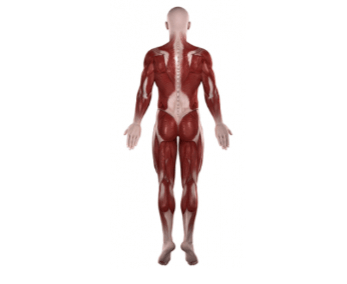
Muscle is not only about appearance. As you age, stronger legs, hips, and core muscles help you stay active, manage weight, and keep blood sugar in a safer range. Those pieces connect back to stroke prevention habits.
Strength work can be simple. Chair squats, wall pushups, light dumbbells, resistance bands, and step-ups can work well for beginners. The goal is control, not showing off.
The unexpected insight is that strength training often helps people move more outside workouts. When stairs feel easier and groceries feel lighter, daily movement stops feeling like a chore. That creates a loop your body can keep.
Eat for Arteries, Not for Diet Culture
Food advice gets messy in America because every aisle has a claim, every app has a rule, and every diet has a fan club. Your brain does not need a trendy plan. It needs meals that support blood vessels, cholesterol, blood sugar, and healthy blood pressure. The American Heart Association recommends an eating pattern built around whole foods, fruits, vegetables, lean protein, nuts, seeds, and non-tropical oils such as olive and canola.
What a Stroke-Smart Plate Looks Like at Home
A stroke-smart plate does not need to look fancy. Fill part of the plate with vegetables, add a protein such as fish, chicken, beans, tofu, eggs, or low-fat dairy, then choose a fiber-rich carb such as oats, brown rice, potatoes with skin, or whole-grain bread.
Prevent stroke naturally does not mean rejecting medicine or doctor care. It means giving your body fewer daily battles. Food is one of the easiest places to remove stress from the system.
A family in Ohio making salmon, roasted vegetables, and a baked potato is not doing “wellness content.” They are eating a meal that respects arteries. That plainness is the point.
Why Fiber Deserves More Respect Than Superfoods
Fiber does not get the attention that powders and miracle foods receive, yet it does steady work. It supports cholesterol control, helps blood sugar rise more slowly, and keeps meals more filling.
Beans, lentils, oats, berries, apples, vegetables, popcorn, and whole grains can all help. Most people do not need exotic ingredients. They need a cart with fewer ultra-processed snacks and more foods that still look close to their original form.
A heart healthy lifestyle becomes easier when lunch keeps you full through the afternoon. Hunger drives bad choices. Fiber quiets that cycle before it starts yelling.
Cut the Habits That Injure Blood Vessels Fast
Some habits work slowly. Others hit your blood vessels hard and often. Smoking, vaping nicotine, heavy drinking, poor sleep, and ignored diabetes can raise the strain on your brain’s blood supply. The American Heart Association lists smoking, diet, physical activity, cholesterol, and high blood pressure among lifestyle areas tied to lower heart disease and stroke concerns.
Why Quitting Tobacco Changes the Whole Risk Picture
Tobacco harms blood vessels in a direct way. It narrows arteries, raises clot risk, and makes the heart work harder. Vaping nicotine is not a harmless escape hatch either, especially for people already dealing with pressure, cholesterol, or diabetes concerns.
Quitting is hard, and pretending otherwise insults anyone who has tried. Use nicotine replacement, counseling, quitlines, medication, support groups, or your doctor’s help. The best plan is the one you can follow during stress, not the one that sounds pure.
Prevent stroke naturally starts with removing the habits that keep lighting small fires inside the vascular system. Tobacco is one of the biggest fires. Put it out with every tool you need.
How Alcohol and Sleep Quietly Change Your Numbers
Alcohol can look harmless when it is framed as relaxation, but the body still has to process it. Too much can raise blood pressure, worsen sleep, add calories, and make late-night food choices worse.
Sleep plays the quieter role. A person who sleeps poorly often craves sugar, skips workouts, drinks more caffeine, and feels too drained to cook. The next day’s choices begin the night before.
A heart healthy lifestyle is not built only during daylight. Set a steady bedtime, reduce late screens, keep the room cool, and treat snoring or possible sleep apnea as a medical issue. Better nights often create better numbers.
Treat Medical Follow-Through as a Daily Habit, Not a Crisis Plan
Many strokes happen after years of warning signs that never became action. High blood pressure, high LDL cholesterol, diabetes, atrial fibrillation, and obesity can be tracked and treated. The problem is that people often treat checkups like optional chores until the body forces the issue. That is backwards.
Why Medication Is Not a Personal Failure
Medication can feel like defeat to people who wanted to fix everything with lifestyle. That mindset is dangerous. If your doctor prescribes blood pressure medicine, cholesterol medicine, diabetes medicine, or blood thinners for a heart rhythm problem, the goal is protection.
Lifestyle and medicine are not rivals. They often work best together. A person taking a prescribed medication and walking five days a week is not “less healthy” than someone refusing help in the name of discipline.
The counterintuitive truth is that accepting treatment can be the most responsible habit in the whole plan. Pride does not protect arteries. Follow-through does.
How Annual Visits Turn Guesswork Into Prevention
Annual visits give you numbers that feelings cannot supply. Blood pressure, cholesterol, A1C, weight trends, kidney function, and medication reviews all help shape a safer plan. For some people, those visits also uncover atrial fibrillation, which can raise stroke concerns if untreated.
Bring your home readings, medication bottles, and honest habits to the appointment. Doctors cannot guide what they cannot see. A half-truth about smoking, drinking, missed pills, or sleep only weakens the plan.
Stroke risk drops best when prevention becomes boring. Refill the medicine. Keep the appointment. Walk after dinner. Read food labels. Ask the awkward question. The ordinary habit you repeat this week may be the one that protects your future brain.
Conclusion
Your brain is protected less by grand promises and more by repeatable choices that survive busy weeks. You do not need to become a different person by Monday morning. You need a better pattern than the one that quietly raises pressure, stiffens arteries, worsens blood sugar, and keeps you away from care. Start where the return is highest: measure your blood pressure, move daily, eat more fiber-rich whole foods, stop tobacco, sleep with purpose, and follow your doctor’s plan. The strongest way to reduce stroke risk is to stop treating prevention like a future project. Make it part of breakfast, lunch breaks, grocery trips, evening walks, refill reminders, and yearly labs. Pick one habit today and make it easier to repeat tomorrow. Your future self does not need a perfect health story; it needs proof that you started before the warning siren sounded.
Frequently Asked Questions
What are the best daily habits to prevent stroke naturally?
Daily walking, lower-sodium meals, no tobacco, steady sleep, and regular blood pressure checks give you a strong starting point. Add more vegetables, beans, oats, fish, and water while cutting back on processed meals and heavy drinking.
How does healthy blood pressure lower stroke chances?
Lower pressure reduces strain on artery walls and lowers the chance of vessel damage or blockage. Home monitoring helps you catch patterns early, especially when readings rise during stress, poor sleep, salty meals, or missed medication.
Can walking every day help with stroke prevention habits?
Daily walking can support weight control, blood pressure, cholesterol, blood sugar, and mood. Brisk walking works because it is easy to repeat, does not need special gear, and fits into lunch breaks, errands, or evening routines.
What foods support a heart healthy lifestyle for adults?
Vegetables, fruits, beans, lentils, oats, whole grains, nuts, fish, skinless poultry, low-fat dairy, and olive or canola oil all fit well. Build meals around fiber, lean protein, and less sodium rather than chasing extreme diet rules.
Is smoking one of the biggest stroke risk factors?
Smoking is one of the strongest changeable threats to blood vessels. It can damage artery lining, raise clot risk, and increase strain on the heart. Quitting with medical support, counseling, or nicotine replacement is a smart prevention move.
How often should adults check blood pressure at home?
Many adults benefit from checking a few times per week, especially if readings have been high before. Your doctor may suggest a different schedule. Use the same arm, sit quietly, and record numbers so trends become clear.
Does poor sleep affect stroke prevention habits?
Poor sleep can raise blood pressure, worsen cravings, reduce exercise, and make diabetes control harder. Loud snoring, choking during sleep, or daytime exhaustion may point to sleep apnea, which deserves medical attention rather than guesswork.
When should someone talk to a doctor about stroke prevention?
Book a visit if blood pressure runs high, cholesterol is elevated, diabetes is present, smoking is ongoing, or family history worries you. Seek urgent care for sudden face drooping, arm weakness, speech trouble, vision loss, or severe unusual headache.